
Popular science articles on elderly health
For the vast majority of people over the age of 60, the most reliable health rules are never to follow the trend and buy tens of thousands of health care products, walk 10,000 steps, and eat oil-free and salt-free boiled vegetables every meal. Instead, they should be comfortable with the three daily things of eating, sleeping, and defecation, and have a targeted physical examination once a year. If you feel uncomfortable, don’t force yourself to do it, and don’t search for yourself. This is already more than 90% of the health remedies on the market.
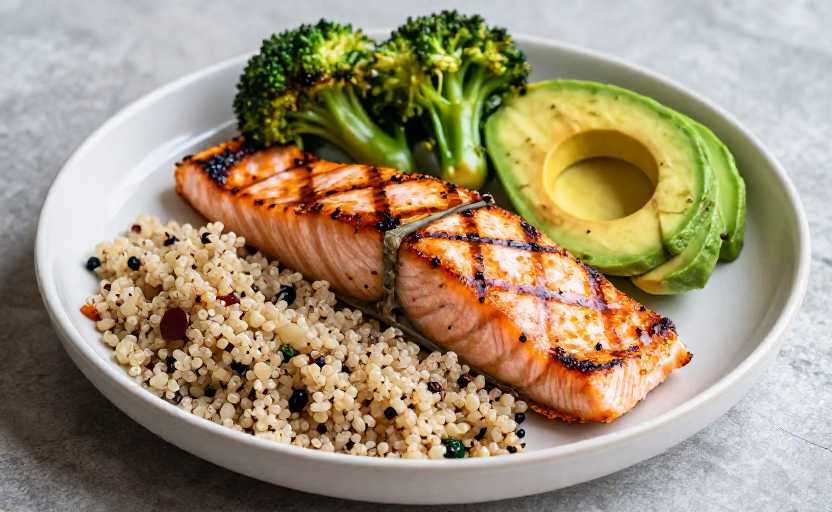
Last week at a community free clinic, I met Aunt Zhang, who lives in Building 3. She is 68 years old. She was coaxed by sales in health classes to buy a 12,000-dollar magnetic therapy mattress two years ago. Before dawn, she followed her old friend to walk on the greenway to get 10,000 steps. She cooked cabbage and tofu every day because she was afraid of eating oil to raise her blood pressure. As a result, she first suffered from a gastric ulcer last winter and was hospitalized for a week. Then her knees were so painful that she could not go downstairs. A blood test also revealed mild anemia. It took her half a year to recover. Now she drinks a cup of soy milk with peanuts every morning, eats half a plate of lean pork and stir-fried green peppers at noon, and plays mahjong with her old sisters downstairs for half an hour if she has nothing to do. Last week, her blood pressure was very stable, and her knees no longer hurt. When I saw her, she told me that she knew she wouldn't suffer that fate.
In fact, the academic community has always had different opinions on eating. Some studies have proven that a strict vegan diet can indeed reduce the risk of cardiovascular disease. However, these are all plans prepared by professional nutritionists with sufficient amounts of nuts, soy products, and multivitamins. How can ordinary elderly people calculate how much protein and iron they should supplement every day? I have met many elderly people who insisted on being vegetarians, and many of them were found to have low albumin. There was a 72-year-old Uncle Li who had been vegetarian for three years. He slipped and fell in the winter and fractured his bones. The healing speed was twice as slow as that of the elderly people in the same ward who ate meat. The doctor said that the problem was due to insufficient nutrition. You really don’t need to be so harsh on yourself, you can eat whatever you like, as long as you don’t feel bloated and have acid reflux after eating, eat one or two lean meats every day, don’t throw away the yolks in eggs, eat vegetables in a variety of ways, and occasionally eat pickled radish or braised duck wings with wine if you are craving for it, as long as you don’t eat it all the time, it’s not as scary as those health accounts say.
After talking about eating, let’s talk about sleeping. Many elderly people are very anxious about this matter. At present, there is no unified conclusion in the academic field about the sleep duration of the elderly. The American Academy of Sleep Medicine recommends that 6 to 7 hours of sleep per day is enough for those over 65 years old. Many senior experts in geriatric medicine in China believe that 7 to 8 hours is more appropriate. The elderly people I meet in clinical situations have all kinds of situations: some sleep only 5 hours a day, and go to the park to do Tai Chi in the morning to feel more energetic than young people. There are also some who sleep for 9 hours a day, but still feel groggy and tight when they wake up. The key is not that you have slept for a few hours, but how energetic you are when you wake up. If you lie in bed and toss and turn for more than an hour and still can't fall asleep, don't force yourself to close your eyes and count sheep. Get up, sit for a while, drink warm honey water, and flip through two pages of leisurely reading. It will be less stressful than lying down and staying up. Oh, by the way, for those sleep-aid health care products that are very popular, whether it is melatonin or jujube kernel ointment, it is okay to take it once for occasional insomnia, but don’t eat it every day. Taking large amounts of melatonin for a long time will inhibit your own secretion. The sellers will definitely not tell you this.
There is another little thing that many old people are ashamed to talk about, which is defecation. There was a 74-year-old Aunt Wang who had been suffering from constipation for a week. She was embarrassed to tell her children that she made two cups of senna at home. As a result, she became dehydrated and went directly to the emergency room. She had to wait for two days to drink water. Nowadays, many health-preserving contents say that you must defecate once a day to be healthy. In fact, this is not the case. The consensus of the gastroenterology department is that as long as you defecate regularly, from once every three days to twice a day, as long as you do not strain during defecation and do not have blood in the stool and pain, it is considered normal. Don’t blindly take laxatives when you have constipation. Eat more fruit with seeds, such as kiwi and dragon fruit. Rub your belly clockwise for two minutes if you have nothing to do. It’s more effective than anything else. If it doesn’t work, go to a community doctor to prescribe some mild medicine. Don’t do it yourself or blindly try home remedies.
I would also like to say a few words about physical examinations. Many elderly people want to do the most expensive full set when they come for physical examinations. For fear of missing something, they ask for PET-CT to check for systemic cancer. In fact, it is really unnecessary. The radiation dose of this project is not small. Ordinary elderly people with no family history of cancer and no related high-risk factors do not need to do it every year. You should choose the items based on your physical condition: if you have high blood pressure, you should have more cardiac color ultrasound and homocysteine tests every year; if you have smoked for 20 to 30 years, you should have a low-dose spiral CT every year; if you often have stomachaches and diarrhea, you should have a gastrointestinal endoscopy every two or three years. It is enough. Don’t listen to the sales of the physical examination center and fool you into adding a bunch of useless items, which will cost you thousands of dollars.
I have been working in the elderly health service in the community for almost five years. I have seen too many elderly people who have made health care a KPI. They stare at the pedometer every day to get 10,000 steps, count the calories in every meal and dare not eat. If they have the slightest headache or brain fever, they search Baidu. The more they look at it, the more they feel that they have a terminal illness. It is really unnecessary. There is no unified standard answer for the health of the elderly. If you live a comfortable and happy life, you are more reliable than any cold indicator. If you really feel pain somewhere and feel uncomfortable, don’t force yourself to do it, and don’t check it yourself. Ask a doctor in the community first. Small things can be solved on the spot, and big things can be detected and intervened early. Isn’t this more effective than any health care product?
Disclaimer:
1. This article is sourced from the Internet. All content represents the author's personal views only and does not reflect the stance of this website. The author shall be solely responsible for the content.
2. Part of the content on this website is compiled from the Internet. This website shall not be liable for any civil disputes, administrative penalties, or other losses arising from improper reprinting or citation.
3. If there is any infringing content or inappropriate material, please contact us to remove it immediately. Contact us at:
