
Regular ballet dancing can promote blood circulation
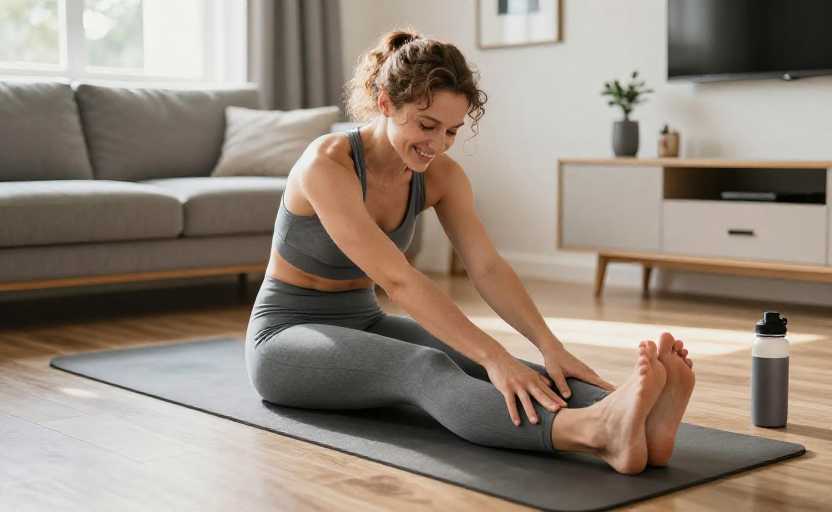
The graceful ballet steps not only help to maintain a good figure, but also promote blood circulation and strengthen the muscles of the whole body.
Squat with knees bent:
Stand with your toes pointed outward, bend your knees, and raise your arms; stand on tiptoes and squat as far as possible while drawing a circle with your hands from both sides of the body; stand up and raise your arms to your chest in a circle. This action can make the hip joint more flexible, strengthen the thigh muscles, and improve the balance of the whole body.
stretch:
Spread the arms, place the center of gravity on one foot, stand on tiptoe of the other foot, straighten forward, and then return to the posture; keep the toes straight, draw an arc to the outside, and then return; keep the toes straight, then straighten back and return; alternate with both feet. This action can stretch muscles and help exercise Leg muscles, thereby making the posture more graceful.
Kicks:
Spread the arms, place the center of gravity on one foot, and straighten the toes of the other foot forward; kick the calves and thighs forward together, and then return; keep the toes straight, kick the legs to the side, and then return to the posture; keep the toes straight, kick the legs backward; alternate the legs. Doing this can tighten the inner thigh muscles and enhance the strength of the thigh muscles.
When doing this set of movements, please pay attention to:
The toes should be straight, the upper body should be straight, the shoulders should be open, and the standing posture should be straight; breathe slowly, inhale through the nose and exhale through the mouth, and pay attention to tightening the abdomen when inhaling; when doing movements, fingertips and toes should be stretched consciously; when squatting and stretching, do according to your ability, especially elderly。
Pay attention to these 5 things when dancing ballet
1. Broken feet, blister , split nails, strained insteps
For dancers, the feet skin Abrasions and blisters are normal. Clean your feet regularly to prevent bacterial infection. Ballet dancers often need to slide the inside of their toes on the ground, so the nails on the inside of the big toe are easily chipped. If this situation is serious, use a band-aid to stick the inside of the big toe nail before each dance to reduce direct friction with the ground, and clean it well.
Stretching the feet is the most basic form of ballet. With the center of gravity and displacement, the instep can easily get cramped or strained. If you feel uncomfortable, give yourself a foot massage on the spot. Press the instep and sole of the foot with both hands, and press a few more times on the uncomfortable position.
2. Ankle sprains and fractures
The ankle is an extremely unstable joint and can bear heavy pressure during ballet. When sprained, use ice instead of heat or massage, as this may cause dislocation or amplification of soft tissue dislocation. In severe cases, a bandage or splint may be used to fix it, and then seek medical attention promptly.
3. Excessive wear and tear of knee soft tissue
There are many straightening movements of the knees in ballet, and the muscles of the thighs and calves exert force frequently. If the strength of the muscles is not controlled well and the joints are used to exert force, it is easy for the soft tissue of the knee to be injured or excessively worn. This kind of injury is difficult to recover. Pay attention to strengthening muscle strength in time to weaken the impact of the knee joint. Once knee discomfort occurs, dance straight and rest for a period of time. When practicing special movements such as lifts, female Wear knee pads if possible.
4. Flash waist
There is no bony chest frame in the waist. Experts point out that 70% of the weight of the human body is between the mid-waist and the coccyx. When the psoas muscles and abdominal muscles are not coordinated, they are easily injured. Therefore, when dancing, you should pay attention to tightening your abdominal muscles, and do not deliberately tilt your hips back. Instead, tighten your hip muscles, close your ribs as much as possible, sink your shoulders and lengthen your neck. This way of tightening the middle waist is not only the most basic form of ballet, but also will effectively protect the waist from injury. When women dance ballet, they often have a slumped waist and raised hips, which causes greater damage to the waist.
5. Ligament strain and muscle strain
After this type of strain, try to reduce activity in the area for a week or two. When practicing flexibility, you should proceed step by step. There should be warm-up exercises before each dance, and relaxation exercises after dancing. Dancers also massage each other's muscles, such as thighs and calves, during breaks, which is helpful for muscle relaxation.
Disclaimer:
1. This article is sourced from the Internet. All content represents the author's personal views only and does not reflect the stance of this website. The author shall be solely responsible for the content.
2. Part of the content on this website is compiled from the Internet. This website shall not be liable for any civil disputes, administrative penalties, or other losses arising from improper reprinting or citation.
3. If there is any infringing content or inappropriate material, please contact us to remove it immediately. Contact us at:
