
Healthy recipe calculation tool
Choosing the right recipe calculation tool that adapts to the Chinese dietary structure and meets your own needs can help you save 80% of the energy in diet planning and avoid 90% of the nutritional pitfalls of eating based on your feelings. However, the premise is that you do not regard it as a universal edict and adjust it according to your actual situation.
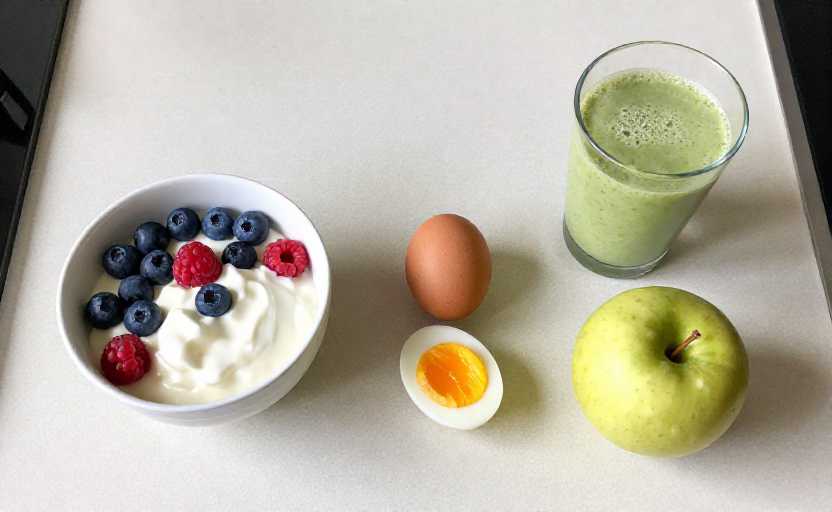
A while ago, I helped a 163cm, 58kg girl make a diet plan. She had been struggling for almost two months to reduce visceral fat. When cooking broccoli, she had to use a kitchen scale to weigh it to grams. When eating hard-boiled eggs, she had to remove one-third of the yolk. She calculated calories and even checked the calories when she saw food. Not only did her body fat not drop, but her aunt postponed it for ten days. Later, I pushed her a tool with a built-in database of the 2022 version of the Dietary Guidelines for Chinese Residents, and asked her to fill in the information that she was lactose intolerant, didn’t like red meat, danced Pamela three times a week, and loved braised meat. The recipes that came out even included the braised dried beans she often eats. The protein portion was included in the calculation. It didn't need to be accurate to grams, but the approximate weight of "a punch of carbohydrates, a palm of protein, and green leafy vegetables can be made as you like." She followed this for two months and lost 3 points of body fat. Her aunt was also right. She didn't even suffer from hypoglycemia again.
But is this thing really suitable for everyone? The views around me are actually quite different.
Lao Zhou, who has been practicing powerlifting together for nearly 8 years, feels that this thing is purely IQ tax. He has never used any calculation tools for so many years. He relies on fists to eat. Carbohydrates are a punch, protein is a palm, and fat is only nuts and cooking oil. His body fat is stable at around 15% all year round, and his scores in the three major categories have also increased steadily. He always said, “You don’t even know whether what you eat is full or whether it’s energizing, so what can you achieve by relying on cold numbers? ”
But Dr. Zhang, who works in the clinical nutrition department I know, completely disagrees with this statement. Many patients with diabetes, gout, and chronic kidney disease she comes into contact with have extremely low dietary error tolerance. Eating 20 grams more of refined carbohydrates in one meal may directly increase blood sugar to the warning line. Eating one more mouthful of rich broth can increase uric acid by hundreds of units. Relying on "feeling" and "fist estimation" is not reliable at all. At this time, accurate recipe calculation tools are urgently needed, and even a small amount may affect the condition.
Both sides are actually right, it's just that they are applicable to different people.
Speaking of which, I have tried no less than 20 tools of this kind, and the pitfalls I have stepped through can really go around my dining table three times. Some are directly copied from foreign algorithms. They recommended eating 300g of oats and 200g of avocado every day. How can our Chinese stomachs tolerate this? I followed it for three days and developed acid reflux. Later I found out that their algorithm was based on the dietary structure of European and American people. It was like recommending a sweet Jiangsu and Zhejiang cuisine set meal to people in Sichuan and Chongqing. It was totally unacceptable to them. Some databases are so old that they don’t even have nutritional data on Changde rice noodles and Northeastern sticky bean buns. If you search for “snail noodles”, they will directly classify them as ordinary noodles. The caloric difference is almost doubled. It’s strange that you won’t gain weight if you eat them the same way. What’s even more outrageous is that it’s bundled with a bunch of paid content, and you’ll be stuck with a 30-second ad even if you’re calculating your basal metabolism. If you want to export a weekly recipe, you’ll get an annual membership discount, and you’re just cutting off what you need like a leek.
The one I keep for myself now, what impresses me most is not how accurate the calculation is, but how well I understand Chinese people’s eating habits. If you search for "Wuhan Hot Dry Noodles", "Shaanxi Roujiamo" and "Guangdong Tingzai Porridge", you will get accurate nutritional data. You can also choose your regional food preference. If you choose the Sichuan and Chongqing region, we will directly replace the steamed chicken in the recipe with a low-oil version of rattan pepper chicken, and replace the light stir-fry with a spicy hotpot with less salt. You don't have to make any changes yourself. There is another particularly good detail. If you fill in the gout taboo, it will not only screen out foods that are clearly high in purine, such as seafood and animal offal, but also high-purine ingredients that are easily overlooked, such as thick broth and dried mushrooms, will also be marked with red reminders. It is much less troublesome than reading the dietary guide by yourself.
Oh, by the way, don’t take the numbers calculated by tools as the Bible. I met a little girl before who ate strictly according to the 1,200 kcal per day calculated by the tool. She was so hungry that she felt dizzy and couldn't concentrate at work. Later, when I asked her, I found out that she had to walk for 40 minutes every day to commute. She also went mountain climbing twice on weekends. When selecting the consumption level, she directly chose "sit still and move less". The basic consumption calculated by the tool was already almost 300 kcal less, so it was strange that she was not hungry.
After all, there is no standard answer to a healthy diet, and you don’t have to cook it down to the gram. Find a convenient tool to figure out what your diet structure is like first, and make up for what you lack. Eating happily and comfortably is more important than anything else. If you have a handy recipe calculation tool that you are using, you can also chat in the comment area so that we can help each other avoid pitfalls.
Disclaimer:
1. This article is sourced from the Internet. All content represents the author's personal views only and does not reflect the stance of this website. The author shall be solely responsible for the content.
2. Part of the content on this website is compiled from the Internet. This website shall not be liable for any civil disputes, administrative penalties, or other losses arising from improper reprinting or citation.
3. If there is any infringing content or inappropriate material, please contact us to remove it immediately. Contact us at:
