
Ten dietary taboos for women with high cholesterol
Animal fats such as pigs, cattle and sheep, processed red meats such as bacon, sausage, lunch meat, etc., refined high-sugar desserts such as cream cakes/bubble milk tea, trans fat processed foods containing shortening/margarine, animal offal such as pig brains/pork livers/fat intestines, whole milk/ High-fat dairy products such as butter/cheese, high-sodium processed seafood such as caviar/crab roe/salted fish, braised/braised/thickened vegetables with thick oily red sauce, high-fructose fruits such as lychee/longan/sugar cane, liquor/beer/sparkling wine and other alcoholic beverages.
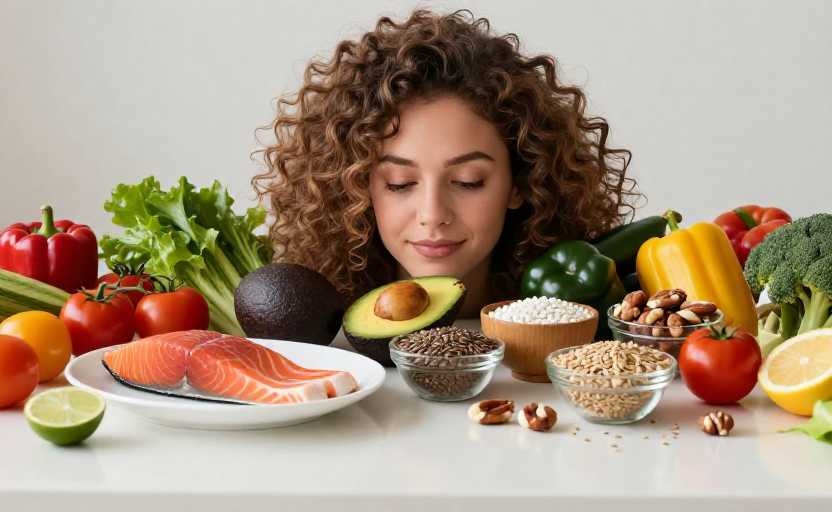
A while ago, I accompanied my 34-year-old best friend to get a physical examination report. She rarely eats fat and maintains a weight of just over 90 pounds. The result was that her total cholesterol was 1.2 higher than the normal value, and her bad cholesterol also exceeded the critical value. I was confused by the report for a long time. I looked through her takeout orders. Four times a week she had bubble milk tea, three times a week she had braised duck products, and she also checked into an internet celebrity cake shop on the weekends. This is not surprising. Many people's impression of high cholesterol is that it "comes from eating fatty meat." In fact, there are many invisible fat-raising factors that you don't even notice when you eat them every day.
Many elders like to use lard for cooking because they think the fried vegetables are fragrant. My mother was like this a few years ago when her cholesterol level just exceeded the standard. She plausibly said, "I don't eat meat, what will happen if I just use lard to stir-fry vegetables?" However, the result of the re-examination did not drop it at all. Later, I listened to the advice of a nutritionist and replaced pure lard with olive oil and rapeseed oil mixed in a ratio of 1:2. When cooking, I used half a spoon less oil. I checked again after three months and found that the bad cholesterol dropped by 0.8. Oh, by the way, I have to mention the egg yolk issue that everyone has been debating for a long time: before, many people said that you should not eat egg yolks if you have high cholesterol. Now the nutritional community has long updated the conclusion - the impact of dietary cholesterol intake on blood cholesterol is actually only about 30%, and the remaining 70% is determined by your own metabolism. If you don't have underlying diseases, one whole egg a day is no problem. If you have excessive cholesterol, 3 egg yolks a week is enough, and you don't need to touch it at all. Instead, it wastes the lecithin and iron in the egg yolk. Oh, and there is also the Laohuo Liang soup that friends in Guangdong and Guangxi love to drink. The layer of milky white oil floating on top after simmering for two or three hours is full of saturated fat. Drinking one bowl is more exaggerated than eating two pieces of fatty meat. If you have high cholesterol, it is best to skim off the layer of oil before drinking the soup.
You should also eat less processed red meats such as bacon, sausages, and luncheon meats that you usually eat. Don’t think it’s just lean meat. In order to improve the taste, a lot of lard and palm oil are often added during processing. The sodium content is also high, which will affect fat metabolism. I have seen many girls during the fat loss period eating processed chicken breast sausages for convenience, only to have their cholesterol rise instead. This is the reason.
What many people never expect is that sugar is actually more likely to raise cholesterol than meat. If the refined sugar you eat is not used up, it will be directly converted into triglycerides and bad cholesterol in the liver. When I was working as a volunteer in the nutrition department, I met a 28-year-old vegetarian girl whose cholesterol was so high that she needed to take medicine. When I asked her about it, I found out that she drinks freshly squeezed juice every day and eats brown sugar cakes and xylitol cakes for "health". Eating too much sugar is really scarier than eating meat. Also, don’t just think of it as fruit. You can eat fruits that are high in fructose, such as lychees, longans, and sugar cane. Excessive fructose intake will also promote the liver to synthesize cholesterol. Just eat two or three at a time to satisfy your cravings. Don’t eat a pound at a time.
Even worse than saturated fat is trans fat, which is the "number one booster" of bad cholesterol and also reduces the content of good cholesterol that helps clean your blood vessels. The shredded bread, shortened bread, puffed food, and milk tea made with non-dairy fat that you usually buy, the shortening, margarine, non-dairy butter, and cocoa butter substitute in the ingredient list are all the hardest hit by trans fats. Last time I bought a very popular Internet celebrity egg yolk cake in the supermarket. The first three ingredients on the list are margarine and shortening. If you eat one, your trans fat quota will be used up in three days. The metabolism of women over 30 years old is slowing down year by year. It takes more than 50 days to completely metabolize these trans fats, which is really not worth it.
As for animal offal, the cholesterol content is indeed high, especially pig brains, sausages, and livers. The cholesterol content of a meal of fried sausages will almost reach the upper limit of your recommended intake for a week, but it does not have to be completely relegated to the sidelines. For example, occasionally eating one or two pieces of pork liver to supplement iron, and eating it once a month to satisfy your cravings is completely fine and there is no need to overdo it.
Many girls who like to drink dairy products should also note that whole milk, butter, cheese, and the thick milk cap on milk cap tea are high in saturated fat. If your cholesterol is already high, you can switch to low-fat or skim milk. Just eat cheese occasionally to satisfy your cravings. Don’t eat cheese baked rice or cheese waterfall burgers every day.
Another hidden pitfall is processed seafood. Many people think seafood is healthy. In fact, caviar, crab roe, salted fish, smoked fish, etc. not only have high cholesterol content, but also have excessive amounts of sodium, which will affect lipid metabolism. There used to be an aunt who loved eating crab roe buns and ate two of them every morning. During the recheck, her cholesterol level was over 2 points. After stopping for two months, the cholesterol returned to the normal range.
You should also avoid braised, braised, and thickened vegetables that are usually served with meals, such as braised pork, braised duck head, and sweet and sour pork loin. When stir-frying, you need to add a lot of sugar, oil, and soy sauce. The calories are frighteningly high. If you eat two pieces of braised pork, it is equivalent to drinking three spoons of oil, which can raise cholesterol very quickly.
Finally, there is alcohol. Whether it is liquor, beer or red wine that is promoted as "softening blood vessels", drinking it will affect the liver's lipid metabolism and increase triglycerides and bad cholesterol. The so-called effect of resveratrol is not worth the damage caused by alcohol. Try not to drink it if you can.
In fact, with so many taboos, it doesn’t mean you can live your life by eating boiled vegetables every day. After all, eating is a great pleasure in life. I have seen many people go too far, not daring to eat this or touch that, and cook vegetables every day. As a result, they are malnourished, their metabolism is worse, and their cholesterol has not been lowered. As long as you avoid these high-risk foods most of the time, and occasionally indulge in a few bites of cake or braised food, you don’t have to feel too much of a psychological burden. Dietary adjustment is a long-term matter. Take your time and balance is always more useful than extreme taboos.
Disclaimer:
1. This article is sourced from the Internet. All content represents the author's personal views only and does not reflect the stance of this website. The author shall be solely responsible for the content.
2. Part of the content on this website is compiled from the Internet. This website shall not be liable for any civil disputes, administrative penalties, or other losses arising from improper reprinting or citation.
3. If there is any infringing content or inappropriate material, please contact us to remove it immediately. Contact us at:
