
Elderly fitness coach training institution
Whether it is bound to the clinical cooperation resources of the geriatrics department/sports medicine department of a tertiary hospital, whether the curriculum covers practical exercise intervention for common chronic diseases in the elderly, and whether there is a stable employment connection path in the community/elderly care institution. The reason why such institutions have grown by more than 120% in the past three years is essentially to fill the industry gap where ordinary fitness coach training is completely unsuitable for the needs of the elderly. According to the "2023 Elderly Fitness Industry White Paper", the training injury rate of elderly fitness coaches who have undergone formal special training is only 0.2%, which is far lower than the 7.8% of ordinary personal trainers who teach the elderly. The industry average employment rate reaches 87%, which is also much higher than the 62% of ordinary personal trainers.
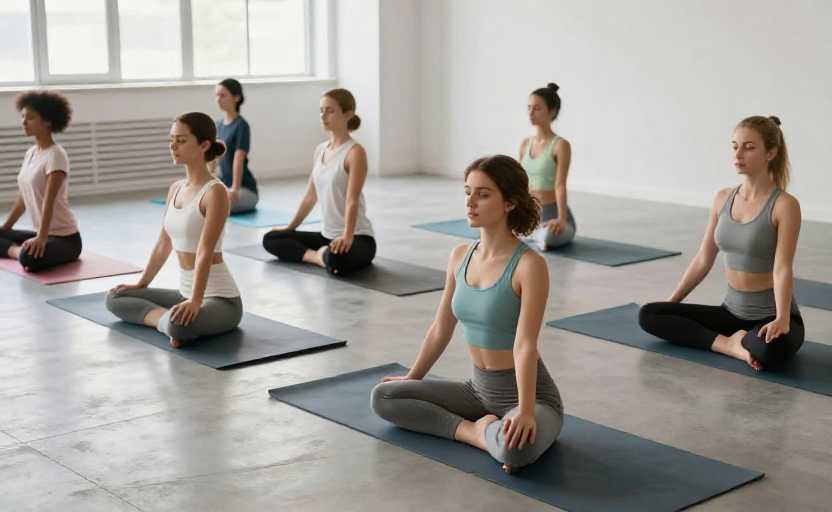
Two months ago, I went to a community elderly care service center in Shanghai's Jing'an District for research and met Xiao Zhou, a coach who had just started his job. He had worked as a personal trainer in a commercial gym for three years. He originally wanted to do business for the elderly. However, he took two aunts to practice squats. One knee effusion recurred, and the other's blood pressure soared to 170. He lost a small sum of 20,000 yuan.
Speaking of which, there is quite a lot of controversy over this type of training institutions in the industry, and there is no unified "optimal solution." One type is "academic" institutions backed by sports colleges and rehabilitation departments of tertiary hospitals, such as the relevant continuing education programs of Beijing University of Physical Education and University of Physical Education. Half of the teaching and research teams are sports medicine doctors. Their views are particularly clear: the bottom line of elderly fitness is "not hurting people." If you don’t understand the basic pathology of arthritis, you will learn fancy movements at the beginning, which is essentially a waste of human life. Therefore, in the courses of such institutions, basic theory alone accounts for half of the class time. From the physiological characteristics of the elderly to the exercise taboos of common chronic diseases, the assessment is also extremely strict. If you fail the theory, you will not be allowed to enter the practical class.
The other group is the "practical group" organization that started as a community fitness center for the elderly. Many of the founders are veteran coaches who have taught adults and mothers in the community for five or six years. They feel that the academic style is too "fashionable". If you talk to the elderly about heart rate thresholds and muscle compensation, they will not understand it at all, and they don't like to hear it. They sign up for the class just to avoid shoulder and neck pain, walk vigorously, and be able to do exercises. I can carry my grandson, so the courses are basically focused on practical exercises: how to change the movements of square dancing so as not to hurt the knees, how to use a bottle of mineral water as an instrument to practice arm strength, how to coax an inactive old man to stand up and take two steps, and even have ready-made templates for communicating with the elderly. After learning, you can go directly to work, and the employment rate is higher than that of the academy.
I actually met two coaches from two different schools, and the difference was very obvious. The little girl sent by the college made a plan for the old man that was so accurate that it included how many times to do each set of movements, how many times the heart rate reached before stopping, and how long it took to exercise after taking antihypertensive drugs. The young man from the practical school was even more outrageous. He got along with his uncle and aunt like his own grandchildren, and every class was lively and lively. However, he once failed to notice that an uncle had hidden coronary heart disease, and made him do 15 squats in a row. He almost had an accident. In the end, the medical staff from the inn came to save him.
Nowadays, there are many institutions on the market with the name of "elderly fitness instructor training", and there are also many scammers. The most outrageous institution I have ever seen is that it changed the cover of the PPT of ordinary personal training classes, without even deleting the content of "muscle gain" and "fat loss", and dared to charge more than 10,000 tuition fees, and issued a pheasant certificate that cannot be found online. I would say that to judge whether an institution is reliable, you don’t need to look at how aggressively they brag. Just look through the course schedule and see if there are any contents such as “fall risk assessment”, “early exercise intervention for Alzheimer’s disease”, “common geriatric medication and conflict with exercise”. As long as one of these is missing, it is basically a trap for making quick money.
I have a friend who runs a community nursing home. In the past two years, he has hired coaches from five different institutions. The one who stayed at the end first learned all the basics of medicine in an academic institution, and then took the initiative to find an old coach from a practical school. He worked in the community as an assistant for three months. Now all the elderly in the community are rushing to take his class. Last month, he was invited by the District Civil Affairs Bureau to provide training for the elderly care institutions in the entire district, and has become a well-known expert in the circle.
In fact, this industry is still in its infancy, and there are no unified national standards. Whether you are a young person who wants to enter the industry and is looking for a training institution, or a person in charge of a nursing home institution who wants to provide training for employees, don't just look at the pass rate and employment rate in the advertisement. It is more useful to take half a day to try out a class to see if the teacher teaching has really dealt with the elderly and dealt with emergencies. After all, when it comes to fitness for the elderly, what matters in the end is not how many difficult moves you know, but how much you really care about the safety of these elderly people, right?
Disclaimer:
1. This article is sourced from the Internet. All content represents the author's personal views only and does not reflect the stance of this website. The author shall be solely responsible for the content.
2. Part of the content on this website is compiled from the Internet. This website shall not be liable for any civil disputes, administrative penalties, or other losses arising from improper reprinting or citation.
3. If there is any infringing content or inappropriate material, please contact us to remove it immediately. Contact us at:
