
Bone loss rate in healthy women during menopause
The annual loss rate before menopause is about 0.3% to 0.5%, and the average annual loss rate from perimenopause to the first 5 years after menopause is 2% to 5%. Among them, the annual loss rate in parts with a high proportion of cancellous bone such as the lumbar spine and hip can reach up to 8%. After the rapid loss period of 5 years after menopause, the bone loss rate will drop back to 0.5% to 1% per year, which is basically the same as the loss level in elderly men.
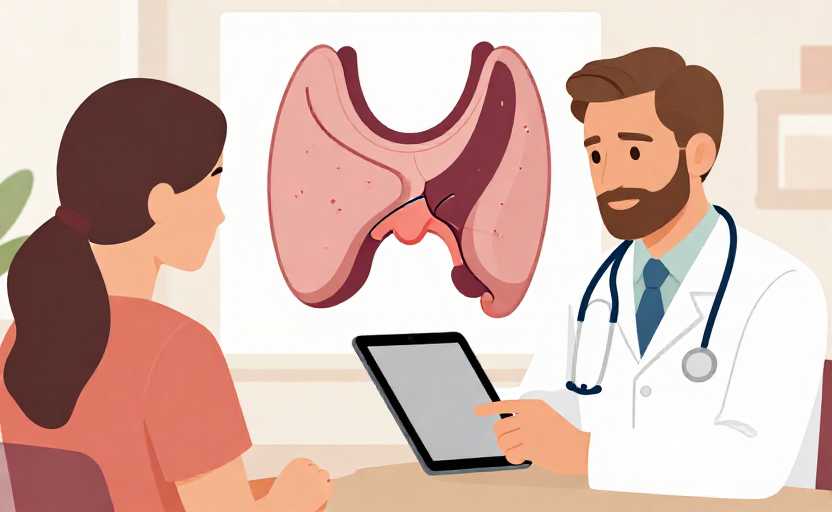
Last week, I met 49-year-old Sister Lin in the clinic. Last year, her bone density was still in the normal range during the physical examination at work. This year, she was found to have low bone mass in her lumbar spine. She looked confused when she took the report: "I drink milk every day to supplement my calcium. How can I lose it like this in one year?" ”In fact, it’s not that her calcium supplements are useless, it’s that the rate of bone loss at this stage of menopause is already faster than most people expect.
Everyone has actually heard of the core trigger: a cliff-like drop in estrogen. There are estrogen receptors on the surface of osteoblasts in bones. When estrogen is enough, it is equivalent to "paying wages" to osteoblasts every day, and they are willing to work hard to build new bones. ; When estrogen drops sharply during menopause, osteoblasts lose their power, and osteoclasts continue to break down old bones, causing bone mass to naturally fall away.
Of course, this data is not applicable to everyone, and there are still disagreements in the academic community about individual differences in the rapid attrition period. Some cohort studies in Europe and the United States believe that only about 30% of women will experience a high-speed loss of more than 4% per year, and the remaining 70% will mostly lose between 1% and 2%. The difference is mainly related to genes, year-round exercise habits, and the peak bone mass accumulated in youth. Domestic research data tends to remind Asian women to be vigilant: our peak bone mass is generally 8% to 10% lower than that of European and American women, the age of menopause is 1 to 2 years earlier, and the proportion of people experiencing rapid bone loss can reach 45%. Don’t use European and American data to apply to your own body.
I have seen two women who are both 51 years old and have been menopausal for 2 years. They are really very different. One is a middle school physical education teacher who plays badminton all year round and exercises with dumbbells two days a week. Three years after menopause, his bone mass has only lost 1.2%, which is more than half lower than the average level. ; The other is an aunt who rarely goes out and rarely drinks milk in order to control sugar. She lost 11% of her lumbar spine bone mass 2 years after menopause and was directly diagnosed with osteoporosis. You see, there is never a unified "standard loss speed". How much support you give your bones will give you how much feedback they will give you. Oh, yes, there are exceptions. Last year, I met a 52-year-old aunt who didn't take any nutritional supplements or exercise. Her bone density was actually a little higher than normal. When I asked her, I found out that she was a weightlifter on the provincial team when she was young. Her peak bone mass was 20% higher than that of ordinary people. Even after losing weight for more than ten years, she still has enough reserves. But this is a very small number after all, we ordinary people should not bet on this probability.
Currently, clinical intervention ideas for menopausal bone loss are divided into two schools, and there is no absolute right or wrong. “Doctors from the "active interventionist" group would suggest that if you have a low peak bone mass or a family history of osteoporosis, and there are no contraindications to hormones, use low-dose hormone replacement during the menopausal window (within 10 years after menopause and before age 60). This can reduce the rate of bone loss to less than 1% per year, and the long-term risk of hip fracture can be reduced by more than half. ; The other school of "natural adjustment" has a more moderate view. They believe that there is no need to take risks of breast cancer and blood clots caused by hormones. As long as they ensure resistance exercise twice a week, drink more than 300ml of milk every day, and supplement 800 to 1000 units of vitamin D, they can control the loss rate within a safe range even without medication. I generally don’t forcefully recommend any plan to patients. After all, everyone’s physical foundation and concerns are different, and the one that suits them is the best.
Don’t believe those gimmicks that “you can stop bone loss by taking certain health products.” I have seen too many patients spend tens of thousands of dollars to buy so-called “bone-strengthening powder” and “yak bone marrow powder”, and they should fall off after eating. It is better to go downstairs for half an hour and walk in the sun for 15 minutes every day. By the way, a reminder, don’t just supplement D and calcium. You must also have enough protein. Eat one egg and two taels of lean meat every day. The muscle mass will increase, and the bones will have stress points to attach to, so they will naturally not loosen easily. After all, the more you use bones, the stronger they become.
Disclaimer:
1. This article is sourced from the Internet. All content represents the author's personal views only and does not reflect the stance of this website. The author shall be solely responsible for the content.
2. Part of the content on this website is compiled from the Internet. This website shall not be liable for any civil disputes, administrative penalties, or other losses arising from improper reprinting or citation.
3. If there is any infringing content or inappropriate material, please contact us to remove it immediately. Contact us at:
