
Menstrual period health knowledge education
There is no "universal taboo list" that applies to everyone. The first guideline for all nursing actions is "your own feelings." At the same time, evidence-based medicine is taken into consideration. There is no need to be kidnapped by the experience of the older generation or the rules of Internet celebrities, let alone wronging your body in order to cater to the so-called "standards."
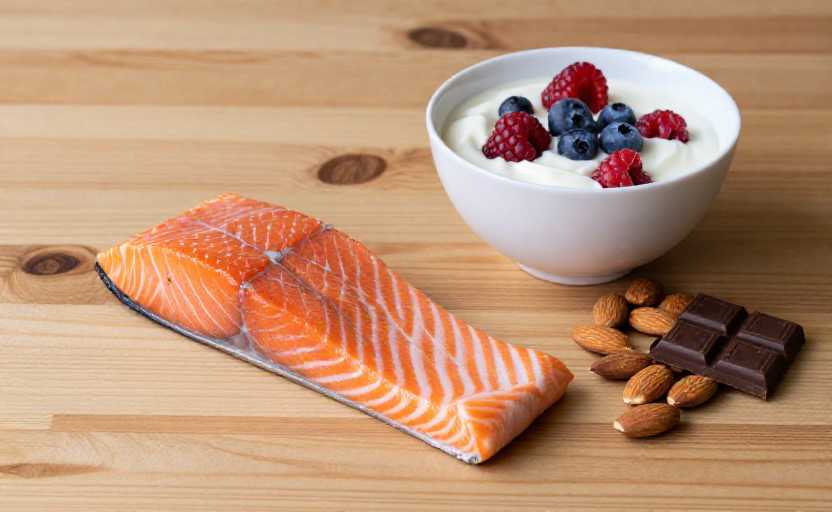
I have been in the gynecology clinic for almost 8 years, and the most common question I have received is "Doctor, if I eat popsicles during my period, will I be infertile in the future?" This happens to be the most controversial point at the moment, so let's talk about it first. Traditional Chinese medicine theory believes that exposure to cold foods during menstruation will cause qi and blood stasis, induce dysmenorrhea, and reduce menstrual flow. This statement itself is based on physical constitution. ; The view of modern Western medicine is that as long as your gastrointestinal tolerance is tolerated and you don’t experience abdominal pain, diarrhea or aggravation of dysmenorrhea after eating, you can eat it. I have encountered two completely opposite cases before. One is a girl who grew up in Hainan. She drank iced coconut every day since she was a child. She never missed her period. All the gynecological indicators in the physical examination were normal, and she rarely had dysmenorrhea. ; There is also a girl from the Northeast who rarely touches cold food. On the first day of her menstruation, she drank half a cup of iced milk tea. She was so painful that she broke out in a cold sweat and was sent to the emergency room by her colleagues. So there is really no standard answer to "can you eat it?". Eat it if you feel comfortable, and don't touch it if you feel uncomfortable.
Speaking of the effects of cold that everyone is afraid of, another question that is often asked is whether exercise can be done during menstruation. Don’t believe that “it’s right to lie still during menstruation”, and don’t be fooled by the nonsense that “exercise during menstruation can burn twice as much fat as usual”. If you don’t have symptoms of menstrual cramps or backache, it’s totally fine to take a walk, do 20 minutes of gentle stretching yoga, or even walk slowly for half an hour. ; But if you're in pain so much that you can't straighten your back or even sit up, just lie down and no one will call you "pretentious." The only thing that should be clearly avoided are movements that increase abdominal pressure, such as weight-bearing squats, crunches, handstands, strenuous sprints, aerobics, etc. Otherwise, it may indeed aggravate pelvic congestion and make menstrual cramps worse. My best friend is a yoga teacher. She only avoids core and handstand movements in classes during her menstruation. She has taken classes for five or six years without any problems.
There is also an old saying that has been passed down for decades, "You cannot wash your hair or take a shower during menstruation." It really can be stopped. During menstruation, the cervix is slightly open, so bathing, bathing in hot springs, and swimming are strictly prohibited as they can easily lead to retrograde bacterial infection. However, showering is fine as long as the water temperature is not too cold. After washing your hair, blow-dry it with hot air in a timely manner. You will not suffer any "headaches" at all. On the contrary, during menstruation, the resistance is weak, and the private parts are covered with menstrual blood for a long time, so you need to pay more attention to cleanliness. I met a 19-year-old girl before. She believed her grandma’s advice not to take a bath during menstruation, and she endured it for 5 days. Finally, she had vulvitis itching so much that she could not sit still, so she came to the hospital. She was prescribed ointment and applied it for a week. It was unnecessary. By the way, there is also the issue of changing sanitary napkins. Don't memorize "change every 2 hours". If the amount is large, it will be soaked in 1 hour. When the amount is small, it should not exceed 4 hours. Otherwise, the hot and humid environment will easily breed bacteria. Don't save a few dollars on sanitary napkins.
Let’s talk about the dysmenorrhea problem that everyone is most afraid of. There is really no need to deal with it. At present, the most effective way to treat primary dysmenorrhea is to take non-steroidal anti-inflammatory drugs such as ibuprofen. Many people are worried that "the drug is poisonous" and "taking too much will cause dependence." Here are the different views: it is true that a small number of people will have mild gastric bloating and acid reflux side effects, but as long as you only take it 2-3 days a month, the drug can be completely metabolized out of the body within 48 hours, and there will be no dependence at all, and it will not damage the liver. I have seen too many girls who were so painful that their faces turned pale and they vomited bile and refused to take medicine, saying that they were afraid of the consequences in the future. Instead, they carried it until they fainted from the pain and were sent to the hospital. This is really not a crime. But if you didn’t have pain before and suddenly your dysmenorrhea becomes more severe, or if painkillers don’t work at all, don’t delay. Be sure to get a B-ultrasound to check for organic problems such as endometriosis and adenomyosis. Don’t treat it like ordinary dysmenorrhea and delay treatment. Oh, and there is also the issue of brown sugar water. Don’t worry about whether it is useful or not. If you feel comfortable drinking hot sweet water, then drink it. Don’t worry about what others say is the “placebo effect.”” ; If you have high blood sugar, or you feel bloated after drinking it, then drinking warm water is just as useful. The essence is just to make you feel comfortable.
Many people will ignore the emotional problems during menstruation. They were happy the day before, but before menstruation, they suddenly feel uncomfortable with everything they see, want to cry at the smallest thing, or even feel tight in the chest. This is not a bad personality, but a normal reaction caused by hormone fluctuations in the body. If you are just in a bad mood occasionally, eat some cake of your choice and watch two episodes of your favorite drama and it will be over. Don’t blame yourself. ; But if it is so severe that you have insomnia, can't control your temper, or even affect your normal work life before each period, then you have to go to the doctor to see if you have premenstrual syndrome. If necessary, you can use some medicine to relieve it.
In fact, to put it bluntly, menstruation is a woman’s normal menstrual cycle. It is not a “sick period” and there is no need to make it difficult. Your own body is always more accurate than all popular science regulations. Just do what feels comfortable and stop when you feel uncomfortable. There is no need to make it difficult for yourself to conform to what others say you "should". If you are really unsure, go to a regular hospital and call a gynecology number to ask. It is much more reliable than the folk remedies you memorized in a half-hour short video.
Disclaimer:
1. This article is sourced from the Internet. All content represents the author's personal views only and does not reflect the stance of this website. The author shall be solely responsible for the content.
2. Part of the content on this website is compiled from the Internet. This website shall not be liable for any civil disputes, administrative penalties, or other losses arising from improper reprinting or citation.
3. If there is any infringing content or inappropriate material, please contact us to remove it immediately. Contact us at:
