
Avoid misunderstandings in fitness exercises for the elderly
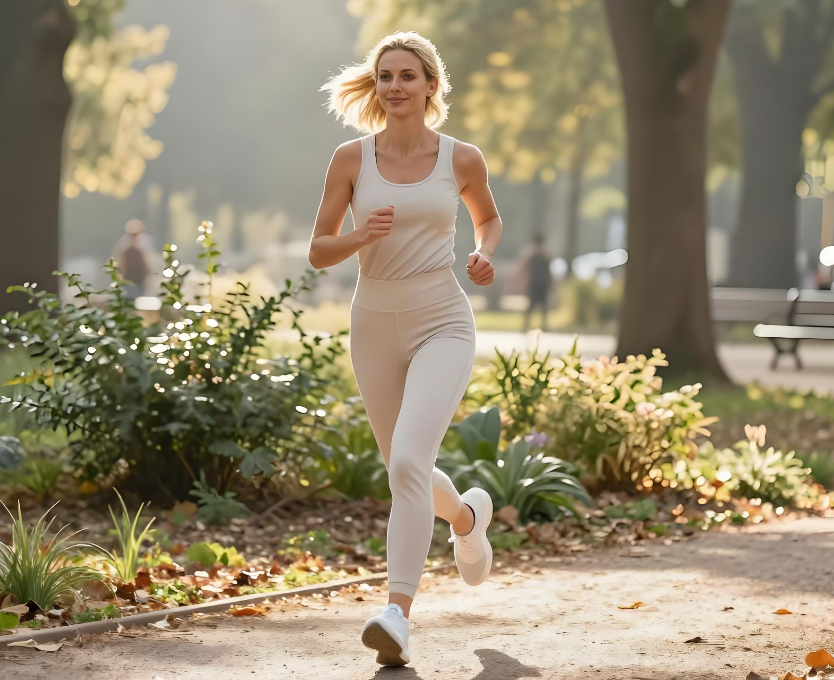
“"Reverse" to enhance leg strength
Commonly seen in groups of three or five elderly Carrying out "retrograde march" in the square” exercise , this "abnormal fitness" method was once popular. It is said that it can enhance leg strength, treat back pain, reduce osteoporosis, and improve human balance. However, from the analysis of exercise physiology, walking backward consumes 75% more energy than walking forward. heart rate An increase of 40%. Considering the aging body and various organ functions of the elderly, the central nerve The ability to coordinate the activities of various organ systems throughout the body is weakened, the reaction is relatively slow, and the sensitivity is poor. It is easy to trip or lose balance and fall when walking backwards, causing accidental trauma to the spine and hip, knee, and ankle joints.
In addition, due to the reduced cardiovascular reserve capacity of the elderly, retrograde movement will increase the burden on the cardiovascular system and cause neck sprains, resulting in compression of the carotid arteries, narrowing of the lumen, and reduced blood flow, resulting in reduced blood supply to the brain, hypoxia in the brain, and even sudden fainting when turning the neck. It won't hurt if you go backwards once in a while healthy , but it should not be done frequently.
The earlier you do morning exercises, the better
Some elderly people think that the earlier they do morning exercises, the better, so they like to go out for exercise before dawn. In fact, this is unscientific. Before the sun comes out, the carbon dioxide content in the air is high and pollutants accumulate in the air. Breathing this dirty air will have harmful effects on the human body. Therefore, morning exercises should be arranged after the sun comes out, and it is not advisable to do morning exercises next to roads with a lot of traffic, because these places accumulate a large amount of carbon dioxide, which is not good for health.
Many elderly people like to do morning exercises on an empty stomach and then drink tea together after exercising. This can easily lead to symptoms such as hypoglycemia and dizziness. If they do not replenish enough water, they can easily become dehydrated. In addition, blood pressure peaks between 6 and 8 a.m., and improper exercise may also cause blood pressure to rise. In order to avoid accidents, it is best to eat something properly before exercising and bring enough water to drink. If you feel chest tightness or body discomfort, stop exercising immediately or go to a nearby place. Hospital See a doctor.
A hundred steps after a meal is good for the body and mind
“Walk a hundred steps after a meal and live to be ninety-nine. ”Many elderly people use this as a fitness motto, but walking a hundred steps after a meal is not scientific. From a modern medical point of view, after eating a full meal, the heart load of the elderly increases, and postprandial exercise has a significant negative effect on the cardiovascular system. Therefore, older people should avoid going for a walk right after a heavy meal.
Climbing is the best exercise
Many elderly people have the habit of getting up early to climb mountains and think that climbing is the best way to exercise. In fact, this may not be the case. “"As people age, their legs age first." When climbing mountains, the weight-bearing load is severe, which is not conducive to the elderly's protection of their knee joints. When going up a mountain, the weight-bearing force on the knee joint is basically your own body weight. When going down the mountain, in addition to your own body weight, the knee joint also bears the downward force. Such impact will increase the wear and tear on the knee joint. Especially for the elderly with knee joint disease, the joint damage caused by climbing steps is more severe.
Therefore, the elderly should not climb mountains too frequently. If they want to climb, they should try to avoid steps and choose flat roads. The speed should not be too fast. People with knee joint discomfort should not climb mountains. They can choose walking, jogging, swimming and other exercises, or do waist and leg gymnastics.
Fitness exercises can help maintain health, but you must have scientific fitness methods to avoid falling into misunderstandings in order to achieve the true purpose of fitness.
Disclaimer:
1. This article is sourced from the Internet. All content represents the author's personal views only and does not reflect the stance of this website. The author shall be solely responsible for the content.
2. Part of the content on this website is compiled from the Internet. This website shall not be liable for any civil disputes, administrative penalties, or other losses arising from improper reprinting or citation.
3. If there is any infringing content or inappropriate material, please contact us to remove it immediately. Contact us at:
