
A complete collection of daily care tips for the elderly
The core of daily care for the elderly has never been to "take more health care products, stay in bed more and move less, and the more meticulous the care, the better." Instead, it is to make adaptive adjustments based on the elderly's physical condition and living habits, and give priority to avoiding common misunderstandings in the five major categories of diet, activity, skin care, medication, and emotions, which can solve more than 80% of daily care problems.
Last week, Aunt Zhang's old man downstairs was just discharged from the hospital. She wanted to replenish her body and ate oily old hen soup for a week. Not only did the old man's blood lipids skyrocket, he was also constipated and couldn't get up from the toilet for half an hour. In fact, there are two different views on how to eat for the elderly: the older generation always says that it should be "thin, soft and light", and if the teeth are not good, they should just boil white porridge with pickles. In the past two years, the nutrition circle has advocated ensuring the nutritional density - as long as there are no serious digestive tract diseases, you can boil the grains softly, stew the lean meats, and chop the green leafy vegetables. Consuming white porridge will not only increase blood sugar quickly, but also accelerate the degradation of chewing and digestive functions, which is not worth the gain. Master Wang, who has worked in nursing care for the elderly for 12 years, has a little trick: Don’t wait for the elderly to cry thirsty before feeding them water. Give half a cup of warm tea or water every hour in the morning. After 4 o’clock in the afternoon, slowly reduce the amount of water you drink. This not only ensures a daily intake of 1200-1500ml, but also does not affect sleep due to excessive nocturia. Elderly people with diabetes or kidney disease can just follow the doctor’s advice to adjust the amount.
I have encountered several unfortunate examples when I was working at a community free clinic: After an old man fell once, his children never let him get out of bed for fear of another accident. He made him lie on the sofa and watch TV every day. As a result, his muscles atrophied after lying there for three months. He staggered when he stood up again, and the fall became even more severe. Nowadays, orthopedic doctors do not have unified standards for exercise for the elderly. It all depends on the physical condition: If you have severe knee joint degeneration or severe osteoporosis, there is really no need to force you to walk 10,000 steps a day. Doing a few sets of ankle pump exercises while sitting at home, and practicing standing for a few minutes while holding on to a table can not only promote blood circulation and prevent blood clots, but also not put extra burden on the joints. ; If you are healthy and have no underlying diseases, going downstairs to go to the vegetable market for half an hour every day, and chatting with your old neighbors in the sun for half an hour will be much more effective than sitting at home and taking two bottles of calcium tablets to replenish calcium.
Many people think that the elderly have rough skin and do not need to apply it like young people. In fact, in winter, the elderly have less sebaceous glands and their skin dries out quickly, especially the elderly with diabetes. When they itch and scratch, they will have red marks all over their bodies, and it is difficult to heal if they are broken. I met 78-year-old Grandma Li before. She loved to bathe in hot water and always used sulfur soap in winter. She was so itchy that she couldn't sleep all night. Later, she adjusted the water temperature to about 37 degrees, replaced it with a mild shower gel, and applied a layer of unscented body lotion after the bath. The pain was relieved within a week. Elderly people who have been bedridden for a long time now have two options to choose from to prevent pressure sores: one is the traditional method of turning over every two hours and massaging the pressured areas with moisturizing oil, which is suitable for families with a lot of people at home and a low budget. ; The other is equipped with a pressure-reducing air mattress. The turning interval can be extended to 3-4 hours, which can reduce a lot of care burden. It is more suitable for families whose children have to go to work during the day and cannot stay with them for a long time. There is no absolute good or bad between the two, just choose according to your needs.
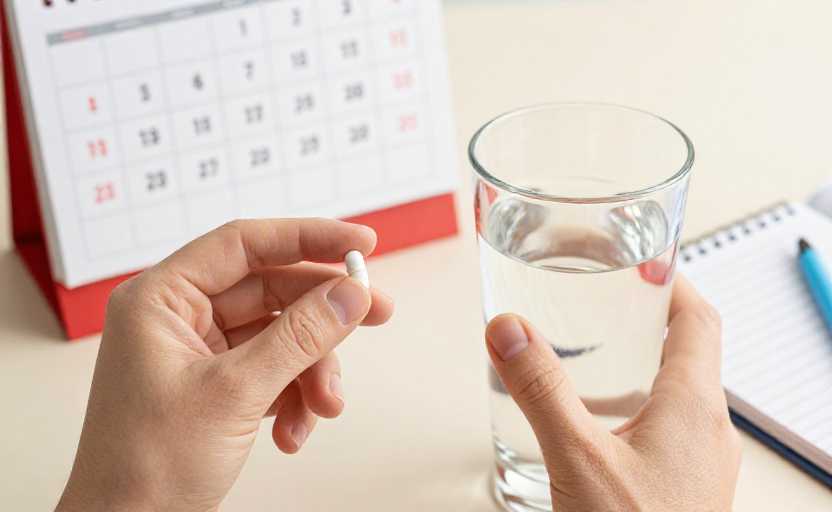
You really shouldn’t be careless when it comes to medication. For convenience, many elderly people like to take out a week’s worth of medicine and put it in a small portable medicine box. This is true, but be careful: for medicines such as nitroglycerin that need to be protected from light, the validity period will be shortened from 2 years to 1-3 months after the original packaging is opened. Don’t keep it for too long and still take it after it has expired. Don't just follow the trend and eat the "recipes" and "ancestral secrets" recommended by your neighbors. There was a 76-year-old man who heard that Panax notoginseng could activate blood circulation and unblock meridians. After taking it for half a month, he suffered liver damage and was admitted to the ICU. There is really no need to take this kind of disadvantage.
To be honest, many families only focus on indicators such as blood pressure and blood sugar when doing nursing care, but forget about emotions. There used to be an Aunt Wang in the community. After her husband left, she stayed at home every day, and her blood pressure fluctuated. She took several antihypertensive drugs and couldn't control it. Later, her son and daughter enrolled her in a Chinese painting class at the University for the Elderly. She went to class every day with a picture folder on her back, and went out to sketch with her classmates. She even reduced her antihypertensive pills by half, and her blood pressure stabilized. Even if the old man is disabled and lying in bed, don't just work. Ask him if it hurts when he turns over, and talk about today's weather while feeding him. He will feel better and his body will recover faster. In our industry, we often say "three minutes of care and seven minutes of coaxing". This is not to deceive the elderly, but to give him more emotional value. Sometimes it is really more effective than taking medicine.
In fact, there is no one-size-fits-all nursing care guide. Every elderly person’s physical condition and living habits are different. Don’t just follow the rules and regulations on the Internet. Asking him about his feelings and observing his condition are better than buying expensive health care products or hiring expensive caregivers. If you really encounter a situation where you are not sure, don't speculate on your own. It is safest to directly ask the community doctor or the attending doctor.
Disclaimer:
1. This article is sourced from the Internet. All content represents the author's personal views only and does not reflect the stance of this website. The author shall be solely responsible for the content.
2. Part of the content on this website is compiled from the Internet. This website shall not be liable for any civil disputes, administrative penalties, or other losses arising from improper reprinting or citation.
3. If there is any infringing content or inappropriate material, please contact us to remove it immediately. Contact us at:
