
Geriatric disease prevention methods do not include
Preventive methods for geriatric diseases do not include blindly taking health supplements without clear indications, long-term overload and excessive exercise, complete elimination of certain types of food with extreme taboos, relying on unevidence-based folk remedies such as "detoxification" and "fasting", and using self-feeling instead of regular physical examinations and standardized treatment.
Last month, I was sitting in a free clinic at a community health service center. I met 62-year-old Aunt Zhang, who came to me with a plastic bag full of health products. She said it was "Vascular Scavenger" and "Brain Gold" that she bought from a health lecture for more than 3,000 yuan. She ate a handful every morning, noon and night every day. She thought that eating these would prevent hyperlipidemia and Alzheimer's disease, and she was not taboo about eating meat or sweets. When she checked her blood lipids, she found that her triglycerides were twice as high as six months ago. In fact, most of the health supplements on the market now only have auxiliary effects and have no clear disease prevention effect. Even the coenzyme Q10 and deep-sea fish oil that everyone often hears about, only people who are clearly deficient in relevant nutrients or require medical advice need to supplement. As long as healthy elderly people eat normally, they do not need to eat extra. Eating too much may increase the burden of liver and kidney metabolism. This is also the consensus repeatedly emphasized by nutritionists and geriatricians. Of course, there are also some bloggers in the field of health care who advocate that the elderly regularly supplement various vitamins and antioxidants. However, such claims are not supported by large-scale clinical studies, so everyone should still choose carefully.
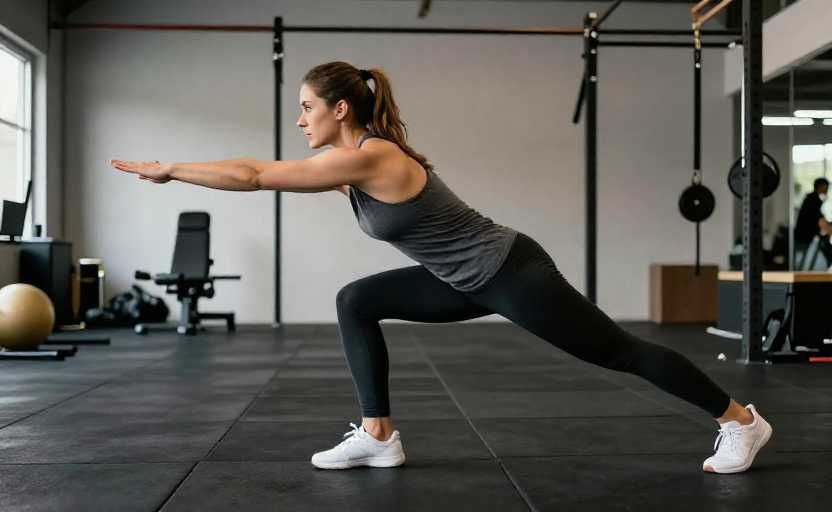
When it comes to moving, many elderly people can’t sit still after retirement and think that “moving more can lead to better health.” This is true, but if you go too far, it can cause harm. I met a 70-year-old Uncle Li before. After retirement, he walked 20,000 steps every day and climbed Xiangshan Mountain twice on weekends. He persisted for half a year and his knees hurt so much that he could not walk. After a check, one-third of his meniscus was worn away, and he also had severe synovitis. There are also some elderly people who follow high-intensity aerobics and have chest tightness and pain after jumping. Many of them are sent to the emergency room for myocardial infarction. Regarding exercise intensity, there are indeed different opinions in different fields. It is often said in the fitness circle that "breaking through the limit can improve physical fitness." However, for the elderly with osteoporosis, knee joint degeneration, and basic cardiovascular and cerebrovascular diseases, low-intensity exercises such as slow walking, Tai Chi, and Baduanjin are more recommended. Thirty to forty minutes each time is enough. There is no need to pursue the number of steps or exercise duration. The best state is when the body is slightly sweating and has no discomfort.
There are also many elderly people who go to the other extreme and dare not eat anything, saying "the lighter and more vegetarian you eat, the longer you live." I once had a diabetic Aunt Wang. She heard people say that eating staple food can raise blood sugar, so she ate boiled vegetables and hard-boiled eggs every day, without even touching a bite of rice or steamed buns. As a result, within half a year she fainted and was sent to the hospital due to severe anemia and hypoglycemia. There are indeed mixed opinions about the diet of the elderly. Some advocate low-carb ketosis, some advocate full vegetarianism, and some say no red meat at all. However, according to the clinical guidelines of geriatric medicine, it is still more recommended to have a balanced diet, eat a little of everything, and not eat too much of anything. For example, if you want to eat, eat half a bowl of braised pork. Eating it once or twice a week is completely fine. It is better for health than completely tabooing food, which can lead to poor mood and malnutrition.
As for the folk remedies posted on the Internet, such as "fasting for two days a month to detoxify", "200cc of blood every year to clear blood vessels", and "massage acupoints to cure high blood pressure", they are not preventive methods for geriatric diseases at all. I have also met an old man who Xinbigu treated diabetes before. After three days of starvation, he suffered from ketoacidosis and was sent to the emergency room, which almost caused a serious accident. These methods either have no scientific basis at all, or are only suitable for a very small number of specific groups of people. Ordinary elderly people should not try them easily.
In fact, after all, the prevention of geriatric diseases is really not that mysterious. It is nothing more than regular work and rest, a balanced diet, moderate exercise, regular physical examinations, listening to the doctor, and not messing around with those fancy things. It is much better than spending tens of thousands of dollars on health care products and following folk remedies.
Disclaimer:
1. This article is sourced from the Internet. All content represents the author's personal views only and does not reflect the stance of this website. The author shall be solely responsible for the content.
2. Part of the content on this website is compiled from the Internet. This website shall not be liable for any civil disputes, administrative penalties, or other losses arising from improper reprinting or citation.
3. If there is any infringing content or inappropriate material, please contact us to remove it immediately. Contact us at:
