
Eight major symptoms of premenstrual syndrome and 3 tips to help you relieve discomfort
Menstruation is female It is a normal physiological reaction. However, premenstrual syndrome is one of the symptoms of abnormal menstruation in women. So how to judge whether you have premenstrual syndrome? Below we will introduce the specific manifestations of premenstrual syndrome and how to relieve it.
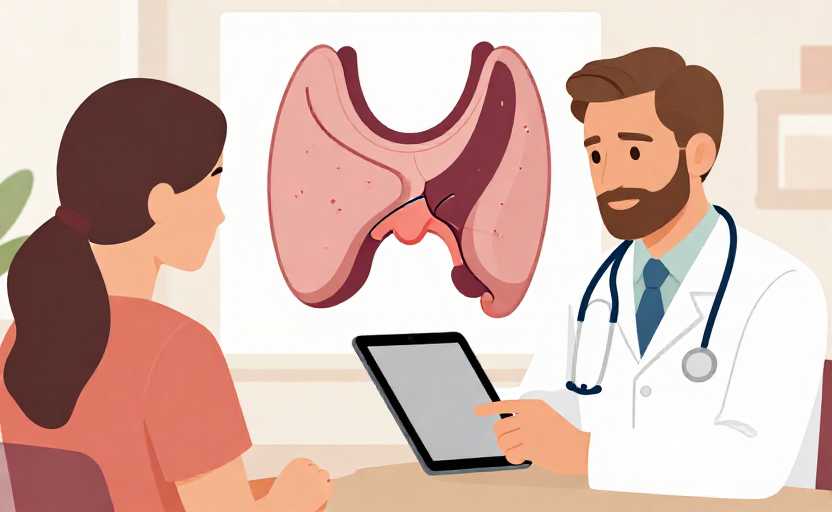
What is premenstrual syndrome?
Premenstrual syndrome, also known as premenstrual syndrome, means that women are affected by hormonal changes in the blood during the menstrual cycle and experience a series of mental and physical symptoms, including irritability, nervousness, nerve Allergy, edema, diarrhea ,breast distended pain Symptoms that disappear with the onset of menstruation disease . Premenstrual syndrome usually occurs 7-14 days before menstruation. Typical premenstrual syndrome begins one week before menstruation, and symptoms gradually worsen. They are most severe two to three days before menstruation and disappear suddenly after menstruation.
The incidence of premenstrual syndrome can reach 50% of menstruating women, with the highest prevalence among women aged 20-30. Female friends can strengthen their relationship through daily life exercise , maintaining a good and happy mood and maintaining good living habits can effectively alleviate and prevent the occurrence of premenstrual syndrome.
Symptoms of premenstrual syndrome
1. Mental emotions: Including changes in mood, cognition and behavior. Women with premenstrual syndrome may experience changes in two different mood states. Some women may suffer from mental stress, physical and mental restlessness, irritability, pickiness about things, and irritability. Trivial matters can cause emotional impulses, even quarrels, crying, and loss of self-control.
2. Appearance symptoms: Women with premenstrual syndrome may experience fluid retention. Common symptoms include edema of the hand, foot, and eyelids. A few female patients gain significant weight, and normally fitting clothes become tight and uncomfortable. Some have abdominal fullness, which may be accompanied by gastrointestinal dysfunction such as nausea and vomiting, and occasionally intestinal spasm. clinical Diarrhea and frequent urination may occur during menstruation. Due to pelvic tissue edema and congestion, symptoms such as pelvic distension and lumbosacral pain may occur.
3. Headache symptoms: Premenstrual headache is one of the premenstrual syndromes. It is mostly bilateral premenstrual headache, and some women also have unilateral premenstrual headache. The location of the pain is not fixed, but is usually located in the temporal or occipital region. It is accompanied by nausea and vomiting. It can appear a few days before menstruation and reaches its peak when menstrual bleeding occurs.
4. Breast symptoms: Breasts are often full, swollen and painful before menstruation, especially on the outer edges of the breasts and nipples.
5. Diet performance: Increased appetite. Most people have a craving for sweets or a preference for some salty special foods. Some are averse to certain foods or have anorexia.
6. Small acne: The secretion of estrogen is reduced, leading to the production of sebum (sebum is produced by the subcutaneous fat layer). Due to the decrease in hormone secretion before menstruation, the skin is prone to allergies and becomes rough, which increases the risk of menstruation. L Increased oil secretion increases the chance of developing acne.
7. Tiredness: Although some women experience euphoria before their period, many experience fatigue and difficulty concentrating. This is because blood sugar levels are unstable.
8. Others: Some women with premenstrual syndrome may experience symptoms such as palpitation, hot flashes, sweating, dizziness, and vertigo. skin Increased oil secretion, increased acne, changes in sexual desire, etc.
Three tricks to help you relieve premenstrual discomfort
1. Relief through diet
Eating more potatoes, cereals, and whole-wheat foods, such as various staple foods made with rice, flour, and millet, as well as sweet potatoes, potatoes, and other foods can reduce fatigue. Drinking more water can keep bowel movements clear and reduce pelvic congestion. In addition, drinking some pork liver and red date porridge, ginger juice and coix seed porridge, black fungus and red date porridge, ginger and date brown sugar water, etc. can all play a role in replenishing blood. Cherries, pumpkin, low-fat milk, chicken, etc. are also good foods.
2. Relieve through yoga exercise
First: Yoga practice releases endorphins, compounds in the body that make you feel good. Second: Yoga practice can soothe the central nervous system and increase blood oxygen levels to nourish the reproductive system. Third: Yoga practice can deeply relax the body, which can further reduce the symptoms of PMS. It is recommended to do 30 minutes of effective yoga exercises regularly, including: standing and inverted postures - such as handstand and headstand. At least four times a week.
3. Relief through vitamin D and calcium supplementation
90% of women of childbearing age experience physiological changes during the premenstrual period, such as emotional stress, edema of hands, feet, and eyelids, breast swelling and pain, abdominal distension, etc. Vitamin D and calcium can relieve premenstrual syndrome. Calcium and vitamin D are best obtained through food. For example, eating 4 servings of low-fat dairy products a day is a good choice, as is cheese or fortified orange juice.
The cause of premenstrual syndrome is a lack of magnesium and vitamin B6 in the body, which prevents enzymes from functioning at their maximum function. On the other hand, the increase in estrogen in the body causes a relative decrease in progesterone, a steroid hormone secreted by the corpus luteum of the ovary and the placenta, leading to endocrine imbalance. In addition, blood sugar instability occurs before menstruation. (Reference website: Family Doctor Online)
Disclaimer:
1. This article is sourced from the Internet. All content represents the author's personal views only and does not reflect the stance of this website. The author shall be solely responsible for the content.
2. Part of the content on this website is compiled from the Internet. This website shall not be liable for any civil disputes, administrative penalties, or other losses arising from improper reprinting or citation.
3. If there is any infringing content or inappropriate material, please contact us to remove it immediately. Contact us at:
