
Arthritis prevention and care measures
The core of preventing arthritis for healthy people is to "control weight, reduce unreasonable joint loads, and avoid long-term cold exposure and excessive strain." The core of care for patients who have been diagnosed with arthritis is "stepped treatment, taking medications as prescribed by the doctor, refusing folk prescriptions, and taking into account moderate activities and joint rest." There is absolutely no need to be overly anxious and not to take it seriously.
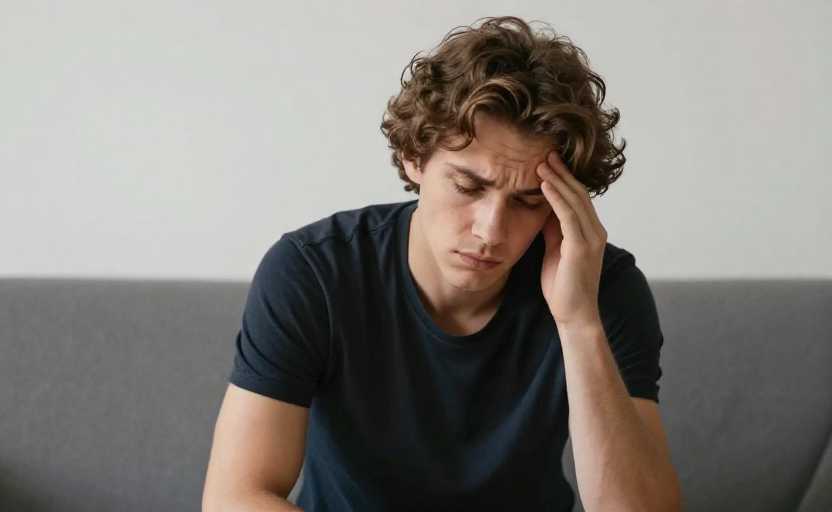
Last week, a 32-year-old fitness blogger was admitted to the outpatient clinic. In order to train his legs, he usually squats with weights three times a week. The weight is stuck at more than 100 kilograms. In the past half month, his knees have been aching when going up and down stairs. An MRI found that the patellofemoral joint has early cartilage degeneration, which is a typical early arthritis caused by overuse.
When it comes to arthritis, the most controversial topic on the Internet is whether it is caused by freezing. The older generation chases people to wear long johns every day, saying that exposing ankles will lead to arthritis in old age. Young people always refute that "foreigners wear shorts in winter and they don't get arthritis." In fact, both sides are right - the current consensus in the academic circle is that cold itself will not directly cause pathological degeneration of articular cartilage. Otherwise, the incidence of arthritis in Northeast China would be several times higher than that in Hainan. However, cold will slow down the local blood circulation in the joints and increase the sensitivity of the synovial membrane. For people who already have slight degeneration, it is easy to cause pain, soreness and swelling when frozen. To put it bluntly, "You will not get sick if you are cold, but you will get sick if you have minor problems." Therefore, you should wear knee pads and long johns when it is cold. There is no need to do it just to look cool. You can't do this.
Don’t underestimate the impact of weight on joints. I once had a 52-year-old female patient who was 158cm tall and weighed almost 160 kilograms. Her knees had been hurting for three years, and painkillers didn’t help. Later, she listened to me and lost 22 kilograms in half a year. She came for a follow-up checkup last month and said that it no longer hurts when she goes downstairs to buy groceries or pick up her grandson from school. She has not even taken out the painkillers she always kept before. Think about it, when a person walks, the weight his knees bear is 2-3 times his body weight, and when he runs or jumps, it can be up to 6 times more. If he carries an extra 10 kilograms of weight, his knees will have to carry an extra 60 kilograms of weight every time he lands. How can he bear it for a long time?
There are also people who always ask "can you climb stairs and climb mountains?" Orthopedic doctors say not to climb, and fitness bloggers say to build muscles. In fact, it is completely divided into different groups: young people in their twenties and thirties who have no joint problems at all. If they climb mountains once or twice a week and walk five or six floors to and from get off work, they will not hurt their joints at all. Instead, they can train their heart, lungs, and leg strength. There is no need to stop eating because of choking.; But if you are over 45 years old, or if you already have knee pain when going up and down stairs, don’t compete with yourself to climb more than ten floors every day or climb several kilometers of mountains every week. Instead, try swimming, an elliptical machine, or brisk walking on a flat road. It is much kinder to the joints and the exercise effect is not bad.
If you have been diagnosed with arthritis, just don't go to the two extremes. Or they lie in bed every day and dare not move, saying they are afraid of wearing out their joints. As a result, the more they lie down, the more their muscles shrink, making the joints more unstable and the pain worse. ; Or he would walk 20,000 steps a day and listen to others say, "The more you walk, the more your joints will wear out and the pain will go away." Eventually, the cartilage will be worn away, and you will have to have surgery. In fact, the most reliable way is to rest when it hurts. Don't carry on the exercise. When it doesn't hurt, do more exercises on the quadriceps on the front of the thigh. For example, silent squatting is very good. Of course, some people say that silent squatting hurts the knees. It depends on how you squat: your back is against the wall and your knees don't go past your toes. , the angle should not be less than 90 degrees, 10 to 15 seconds each time, practice for 10 groups and then stop. Don’t squat for two or three minutes as soon as you start. No one’s knees can bear it. Regular rehabilitation departments regard silent squats as a routine rehabilitation action for early arthritis. There is no doubt about this.
There is also a lot of quarrels between the two sides about amino sugar, which is the most frequently asked question. Some people say that eating it will make you feel better, while others say it is completely an IQ tax. Objectively speaking, current domestic and foreign guidelines recommend that patients with mild to moderate arthritis can try to take glucosamine for three months. If the pain is really relieved after taking it, you can continue taking it. If you don’t feel any pain after taking it for three months, then don’t waste money. As for those folk remedies and health care products that claim to be able to "radically cure arthritis" and "detoxify and repair cartilage", you can just block them. Once the articular cartilage is worn out, there is currently no way in the world to make it return to its original state. All those who claim to be able to cure it are all making shady money.
To be honest, I have been playing badminton for almost ten years and I have never had any problems with my knees. I just run around the court twice every time to open up the joints before playing, and wear a thin sports knee pad. If my knees feel a little sore after playing, I go home and apply a hot towel for 10 minutes. I don’t squat heavy weights blindly. To put it bluntly, the joints are their own. If you treat them well, they will naturally not strike casually.
In fact, many people who undergo MRI scans in their thirties and forties will experience slight joint degeneration, which is just like wrinkles on the skin. It is normal aging and is not considered a serious illness at all. Pay more attention at ordinary times and don’t make mistakes. If you really have a problem, go to the orthopedics or rheumatology department of a regular hospital. Don’t try blindly by yourself. Most people can live a normal life without being affected by arthritis. It’s really not that scary.
Disclaimer:
1. This article is sourced from the Internet. All content represents the author's personal views only and does not reflect the stance of this website. The author shall be solely responsible for the content.
2. Part of the content on this website is compiled from the Internet. This website shall not be liable for any civil disputes, administrative penalties, or other losses arising from improper reprinting or citation.
3. If there is any infringing content or inappropriate material, please contact us to remove it immediately. Contact us at:
