
Tips to boost immunity
Eat the right food, get the right sleep, stabilize your mood, and exercise lightly - there is no magic pill, and you don't need to spend a lot of money on health care products. Adjusting to your own physique and life rhythm will work better than anything else.
In the past two years, my mother followed the trend and bought thousands of protein powders, vitamin C effervescent tablets, and imported probiotics. Taking them at a fixed time every day was more punctual than taking medicine. As a result, she still caught colds when the seasons changed in autumn and winter, and she suffered from allergic rhinitis and sneezed more than a dozen times. Later, I took her to adjust for three months and stopped using those supplements. Instead, she never had a sore throat throughout the winter. She even had rhinitis only once, and the symptoms were much lighter.
When it comes to food, the first thing many people think of is supplements. In fact, there have always been different views on this matter in different fields: the consensus of modern nutrition is that as long as you can eat 1 egg, 300ml of milk, a palm-sized piece of lean meat/fish and shrimp, a pound of vegetables and half a pound of fruits every day, the protein, vitamins, and trace elements needed for immunity are basically enough. Most supplements will be IQ tax. ; But the view of traditional Chinese medicine is that it is useless to just look at the nutritional content, as it must be adapted to your physical constitution. I have a colleague with spleen and stomach deficiency who ate raw and cold salads every day to replenish vitamins. As a result, he had diarrhea for half a month and suffered from pharyngitis again and again. Later, he switched to warm mixed vegetables and stir-fried vegetables, and he was fine within two weeks. In the words of traditional Chinese medicine, raw and cold salads deplete the spleen yang, and the immunity will naturally decline due to insufficient righteousness. As for the supplements that everyone is clamoring for, there is actually no absolute answer: evidence-based medicine has proven that extra vitamin C for healthy people cannot prevent colds, and can at most shorten the course of the disease. However, if you are an overtime worker who eats takeout every day, a vegetarian, or an elderly person with weak digestive function, appropriate supplements of vitamin D, zinc, and multivitamins can indeed help increase the activity of immune cells. It does not count as an IQ tax at all. The key depends on whether you need it or not.
Believe it or not, several of my friends who had shingles stayed up late for more than half a month before the onset of the disease, either catching up on projects or catching up on popular dramas. Many people say that getting eight hours of sleep is considered healthy, but this is actually controversial: research shows that as long as you maintain a fixed sleep rhythm, even if you are a night owl who goes to bed at 2 a.m. and wakes up at 10 a.m., as long as you don’t feel tired when you wake up, your immunity will not be greatly affected. On the contrary, forcing yourself to go to bed early and lying in bed tossing and turning in anxiety for two or three hours will be more harmful. However, one thing is recognized by all schools of thought: Don’t watch short videos half an hour before going to bed. Blue light inhibits melatonin secretion. No matter you go to bed early or late, the quality of your sleep will be compromised. I have tried putting my phone in the living room before going to bed. Even if I only sleep for 6 hours, I feel much more energetic when I wake up the next day than if I stayed up until 12 o’clock to watch my phone for 7 hours.
It seems that many people ignore the impact of emotions on immunity, which is more harmful than staying up late a few times. A friend who is doing public health research told me before that their team has conducted a survey and found that people who are anxious and under high pressure for a long time have 20% to 30% lower immune T cell activity than people with stable moods, and are nearly 30% more likely to get colds and herpes. When I was taking the vocational qualification certificate exam last year, I stayed up until one or two in the morning every day. I was so stressed that my hair fell out in handfuls. The herpes on the corners of my mouth kept recurring for almost a month. No ointment worked. As a result, I took a week off after the exam and it went away without applying any medicine. As for how to regulate emotions, there is no standard answer. The mindfulness school says that meditation is useful, while the exercise school says that running two laps is better for venting. I have tried both of them myself. Anyway, as long as you can let out the breath that is held in your heart, whether it is singing K, playing games, or sitting by the window for 10 minutes, it is better than trying to meditate. You don’t have to follow others to learn meditation.
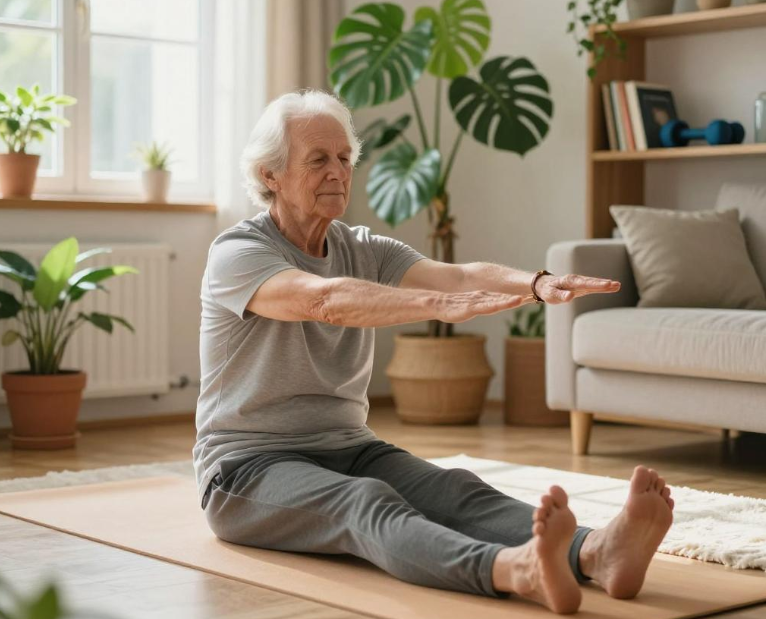
As for exercise, you really don’t have to force yourself to go to the gym. Last year, in order to keep fit, my colleague signed up for a boxing class on the weekend. He practiced hard for two hours for the first time and developed a fever the night he came back. The doctor said that he had been inactive for a long time and suddenly exercised strenuously, which caused his immunity to temporarily "open up" and gave the virus a chance to take advantage of him. For ordinary people, 10 to 20 minutes of exercise every day is enough. Walking two more stops after get off work, doing exercises at home for 5 minutes following a short video, or even walking downstairs for two laps after a meal are more effective than suddenly exercising for two hours on the weekend. Baduanjin and Tai Chi are suitable for middle-aged and elderly people with bad joints. Young people who like running and jumping can play ball or climb mountains. As long as you don’t feel tired after the exercise and instead stretch your body, it is an exercise that is suitable for you. You don’t have to meet any KPI for exercise duration.
In fact, immunity is like a guard in your body. You don't need to feed it all kinds of expensive supplements every day. As long as you don't torment it all the time - don't be hungry all the time, don't stay up all night for a week and sleep for a day to disrupt the rhythm, don't keep any grievances in your heart, it can work well on its own. It doesn't matter if you get craving for a popsicle occasionally or stay up late to watch a TV show. You don't have to make yourself anxious just to improve your immunity. It's not worth the gain.
Disclaimer:
1. This article is sourced from the Internet. All content represents the author's personal views only and does not reflect the stance of this website. The author shall be solely responsible for the content.
2. Part of the content on this website is compiled from the Internet. This website shall not be liable for any civil disputes, administrative penalties, or other losses arising from improper reprinting or citation.
3. If there is any infringing content or inappropriate material, please contact us to remove it immediately. Contact us at:
