
Diet taboos for the elderly suffering from heat stroke
Heat stroke can generally be divided into three situations:
Signs of heat stroke refer to symptoms such as mild headache, dizziness, tinnitus, dizziness, nausea, weakness, thirst and profuse sweating after working for a period of time in summer or in high-temperature workplaces. If you leave the high temperature environment in time and take a short rest, the symptoms will disappear.
In addition to the various symptoms of heat stroke mentioned above, mild heatstroke involves body temperature rising above 38.5°C, or accompanied by flushing, chest tightness, skin Dry heat and other phenomena; or develop into early circulatory failure, such as pale complexion, profuse sweating, cold and moist skin, fast pulse, etc. People with these symptoms can basically recover within four hours if they leave the high temperature environment in time and take rest.
Severe heat stroke is defined as severe heat stroke when the body temperature rises above 40°C, or the person suddenly faints or becomes unconscious; or has convulsions or twitching limbs; or is sweating profusely, causing collapse. Severe heat stroke is a serious condition and extremely life-threatening, requiring urgent rescue.
dietary taboos
1. Avoid binge drinking. Patients suffering from water stroke should drink small amounts of water multiple times, preferably no more than 300ml each time, and avoid binge drinking. Because drinking a lot of water will not only dilute gastric juice and affect digestive function, but also cause hyperreflexive perspiration, leading to further loss of water and salt in the body. In severe cases, it can lead to the occurrence of heat cramps (convulsions).
2. Avoid greasy and tough foods. Heatstroke patients should eat less greasy and tough foods. After eating greasy and tough food, the burden on the stomach will increase, causing a large amount of blood to stay in the gastrointestinal tract, and the blood transported to the brain will be relatively reduced, making people feel more sleepy and more likely to cause indigestion.
3. Avoid eating a large amount of raw and cold fruits. After suffering from heat stroke, most people will suffer from weakness of the spleen and stomach. Eating a large amount of raw and cold foods, cold foods, such as various cold drinks, iced foods, etc., will further damage the spleen and stomach yang qi.
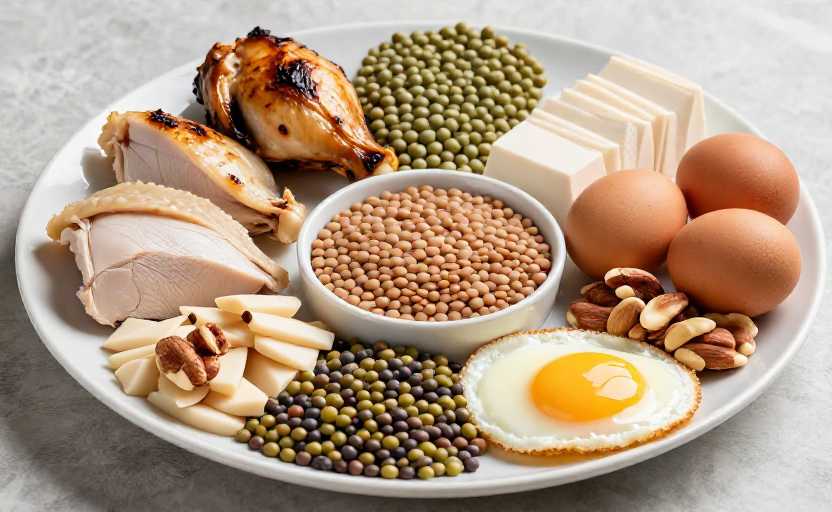
4. Avoid a partial eclipse. Patients with heat stroke are encouraged to eat mainly a light diet, but it can be supplemented with fish, meat, eggs, milk, etc. to ensure the necessary nutrients for the human body.
5. Avoid pure tonics. After heatstroke, the heat energy has not been cleared, and although there are symptoms of physical weakness, you cannot simply use tonics. Taking supplements too early will make it difficult for summer heat to subside, or may rekindle summer heat that has gradually subsided.
Disclaimer:
1. This article is sourced from the Internet. All content represents the author's personal views only and does not reflect the stance of this website. The author shall be solely responsible for the content.
2. Part of the content on this website is compiled from the Internet. This website shall not be liable for any civil disputes, administrative penalties, or other losses arising from improper reprinting or citation.
3. If there is any infringing content or inappropriate material, please contact us to remove it immediately. Contact us at:
