
The efficacy and function of nutritional meal replacement powder for the elderly
It can quickly replenish common nutritional deficiencies such as protein and minerals, reduce the burden of gastrointestinal digestion, and assist in the dietary management of chronic diseases. However, it cannot completely replace regular diet, and not all elderly people need to eat it.
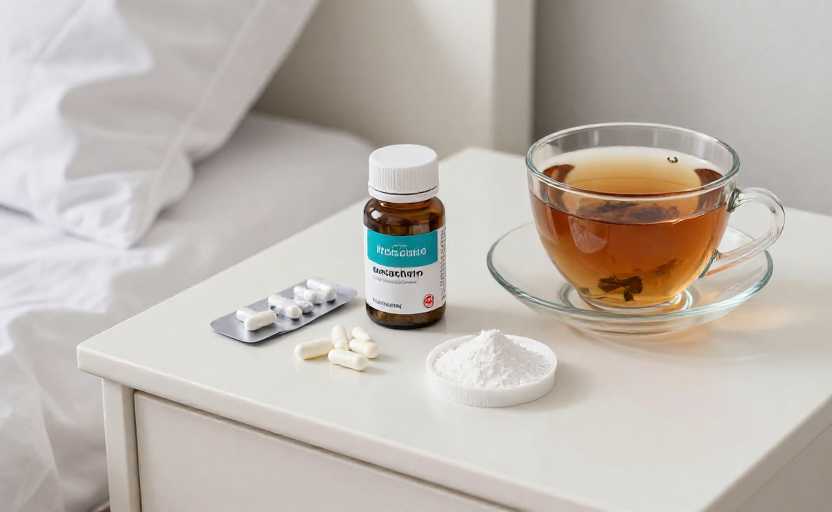
Last year, my aunt had a hip replacement surgery. The wound was so painful that it was difficult to even open her mouth. After three days of eating plain porridge, her face turned sallow. The albumin level had almost dropped to the critical value during the review. The nutritionist in charge of the bed directly asked us to choose a low GI sucrose-free meal replacement for the elderly. We drank half a cup at a time and drank it three times a day without chewing. After drinking it for a week, we checked again and the indicators were directly back to the safety line. That was the first time I intuitively felt that this thing was not an IQ tax promoted by merchants, but could really solve practical problems.
But if you asked me whether all elderly people should stock up on some, I would definitely shake my head like a rattle. A while ago, I was chatting with Lao Zhou, who is doing nutrition science in the community. He complained that many salesmen now boast of meal replacement powders and simply charge the IQ tax of the elderly. This statement really holds water. For example, Uncle Zhang in our community, who is 72 this year, has better teeth than many twenty-year-olds. He makes multi-grain soy milk every morning, with a boiled egg and half a piece of corn, a meat dish, a vegetarian dish and two ounces of rice at noon, and some millet porridge with spinach salad in the evening. All the nutritional indicators in the last physical examination were within the optimal range. In this case, do you let him take meal replacement powder? It is purely redundant. The nutrients consumed in three normal meals are more comprehensive and fresh than any meal replacement formula.
But why do hospital nutrition departments always prescribe meal replacements to the elderly? Not all old people have Uncle Zhang's qualifications. If you just go around the community, you will see how many elderly people have half of their teeth fake and cannot bite foods with thick fiber such as lean meat and celery. Their teeth will hurt for half a day after being stuffed with them, and they will just eat overcooked white noodles. ; Some elderly people have atrophic gastritis. After eating less than half a bowl, they will suffer from bloating and acid reflux, unable to hold enough meat and vegetables. ; Not to mention those empty nesters who live alone and are too lazy to start a fire, so they make do with leftover steamed buns and instant noodles every day. In the long run, they will be completely deficient in protein, calcium, and vitamin D. Either their legs will be weak and they will break after a fall, or they will have constipation that cannot be relieved for three or four days. At this time, the advantages of meal replacement powder are revealed: warm. You can drink it with water. A small cup of protein is equivalent to two eggs. It also specially adds vitamins D, B complex and calcium, which are most likely to be lacking for the elderly. Many formulas also add probiotics and soluble dietary fiber. Drinking it will not increase the burden on the gastrointestinal tract and can also help relieve constipation. It is better than eating white noodles every day, right?
The most controversial point now is whether meal replacement powder can replace meals. There is really no one-size-fits-all approach to this matter. I have seen elderly people who have just undergone gastrointestinal surgery and cannot touch solid food at all. They have been relying on meal replacement powder and enteral nutrition for half a month. All indicators are very stable. In this special period, there is no problem in completely replacing them. But if you listen to those who sell health care products and say that "meal replacement powder can lower blood sugar and cure high blood pressure" and then stop the normal three meals and drinks for the elderly, then something will definitely happen. I met an aunt before who believed the sales pitch and drank a certain brand of meal replacement powder for three meals a day. Within two months, the corners of her mouth were so rotten that she couldn't open her mouth. She was found to be folic acid deficient and her gums had shrunk a lot. No matter how good the meal replacement powder was, it couldn't replicate trace substances such as active polyphenols and flavonoids in fresh fruits and vegetables. If she didn't chew for a long time, her saliva secretion would drop sharply, and her oral flora would be disordered, making her gums prone to problems.
In the past two years, I have helped my relatives and neighbors in the community to choose no less than ten meal options for the elderly. To be honest, the more expensive the food, the better. Many of them sell for hundreds of cans, and the first ingredient in the list is maltodextrin. It also adds a bunch of sucrose and flavors. It is so sweet that diabetics will have their blood sugar spike. When choosing, you should pay attention to two core points: first, the first few ingredients in the ingredient list are preferably whey protein isolate or soy protein isolate, not to mention carbohydrates, which are no different from drinking sugar water. ; The second is to see if there is additional sucrose added. It is best to replace sugar with prebiotics such as fructooligosaccharides and inulin, which will not raise blood sugar and can also help regulate the gastrointestinal tract. If the elderly at home have chronic kidney disease, they must choose low-protein medical models. Don’t just buy ordinary models, which will increase the burden on the kidneys.
In fact, to put it bluntly, nutritional meal replacement powder for the elderly is just a tool, no different from your rice cooker or juicer. If used correctly, it can save a lot of trouble, but if used incorrectly, it will cause trouble. There is no need to tout it as a magic medicine that can cure all diseases, and there is no need to think that it is an IQ tax when you hear it is a meal replacement. The key is to see whether your elderly family members have needs - if they eat well and have enough meat and vegetables, there is no need to add anything. If you have bad teeth, can't eat, and can't keep up with nutrition, it is just a very useful nutritional patch.
Disclaimer:
1. This article is sourced from the Internet. All content represents the author's personal views only and does not reflect the stance of this website. The author shall be solely responsible for the content.
2. Part of the content on this website is compiled from the Internet. This website shall not be liable for any civil disputes, administrative penalties, or other losses arising from improper reprinting or citation.
3. If there is any infringing content or inappropriate material, please contact us to remove it immediately. Contact us at:
