
Nutritional value for the elderly
The core value of nutrition for the elderly has never been to "extend life by eating to maintain health", nor is it "the lighter the healthier", but to slow down degenerative processes such as muscle loss and cognitive decline through dietary adjustments that match the individual's physical condition, reduce the risk of acute attacks of underlying diseases, and ultimately extend the healthy life span of "being able to take care of oneself, socialize, and not suffer" - to put it bluntly, eating right is not to live an extra three to five years, but to still be able to walk downstairs and buy buns at the age of 80 without burdening your children and feel comfortable.
In the three years I have been doing nutritional intervention in the community, I have met too many elderly people who take "light" to extremes. I just met 72-year-old Aunt Zhang last month. Her high blood pressure has been controlled for more than ten years. She only eats white porridge with pickles and even eggs because she is afraid of high cholesterol. Last week, her leg gave way when she climbed the third floor and she broke her wrist. After a blood test, she found that her albumin was extremely low and she was already suffering from moderate sarcopenia. She sat on the hospital bed and muttered, "Why am I still sick even though I eat such a vegetarian diet?" It made people dumbfounded.
In fact, there are quite a few people who hold the idea that "the elderly should eat as lightly as possible", and this view is not completely unreasonable. The elderly have slow gastrointestinal motility and reduced metabolic capacity. A diet high in oil, salt and sugar can easily aggravate the burden of basic diseases such as hypertension, diabetes, and gout. In the past two years, I also met Uncle Wang who ate braised pork every meal. His blood fat reached 7.2mmol/L, which almost caused acute cerebral infarction. In the end, he had to control his mouth to bring the indicator back.
But in the past five years, the trend in the clinical nutrition world has actually changed, and more and more doctors have come out to say that food cannot be tabooed. After all, the anabolic ability of the elderly is only about 60% of that of the young. If your protein and energy are too stuck, your muscles will fall off faster than anything else, and your immunity will also collapse. When the flu comes, you will be the first to catch it. Even if you are not seriously ill, you will stumble when walking and cannot carry things, and your quality of life will directly drop.
Don't tell me, there are really a lot of controversies about how to eat. Take drinking milk as an example. There are still two groups arguing fiercely: one side says that whole milk is high in saturated fat and will raise blood lipids, and the elderly must drink skim milk.; On the other hand, it is said that the branched-chain amino acids in whole milk are good for muscle synthesis, and it also contains vitamin D to help supplement calcium. Drinking skim milk will only make you lose money. In fact, is there any standard answer? It is perfectly fine for the elderly who do not have dyslipidemia to drink full-fat. For those who already have hyperlipidemia and atherosclerosis, they can just switch to skim and add some extra VD drops. There is no need to compete with yourself over this.
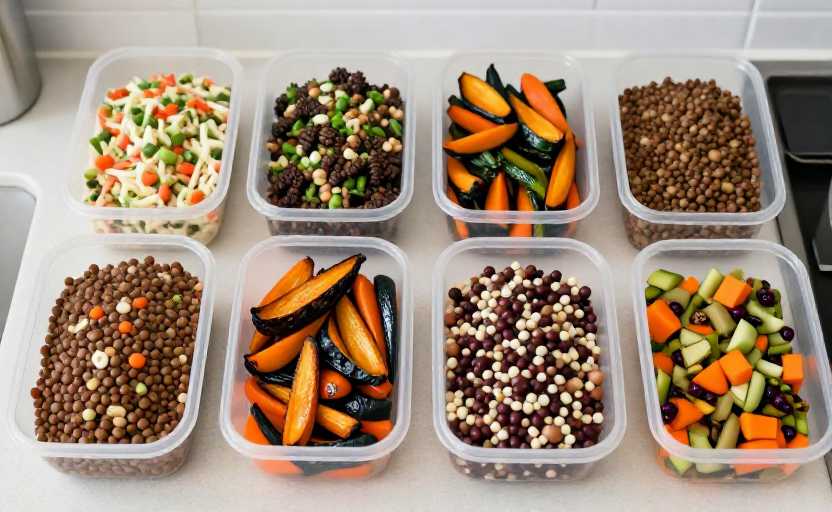
I usually issue dietary guidance cards to the elderly in the community, and I never ask them to calculate abstract figures such as "1.2g of protein per kilogram of body weight per day." I directly mark them clearly: a glass of milk and a boiled egg in the morning, a palm-sized piece of lean meat or fish at noon, and a handful of soy products in the evening, which is enough for one day. If you have bad teeth, stew the meat until it becomes tender, or make half a cup of whey protein powder, which is better than drinking gruel every day.
By the way, there is another point that is easily overlooked: many elderly people take calcium tablets every day, but they still suffer from leg cramps and osteoporosis. In fact, most of them are lacking vitamin D. Going downstairs to bask in the sun for half an hour every day is more effective than taking ten bottles of calcium tablets. If you really can't get enough sun exposure, just buy a bottle of VD drops that cost a few yuan. There is no need to buy hundreds of yuan of imported "magic calcium supplements." As for those health products that are advertised as being able to "open blood vessels" and "treat diabetes," I advise you to avoid them. If they are really useful, why would you need a hospital?
A while ago, Uncle Li secretly asked me downstairs if he could take a bite of his grandson’s leftover ice cream. I laughed and said that if your blood sugar is normal, it’s okay to eat half of it, just don’t eat it every day. Nutrition in the elderly is never a dead end. There is no need to make yourself like an ascetic. Occasionally, you want to eat something sweet or something heavy. Satisfying your appetite and feeling good is better than anything else.
After all, how can there be any "elderly nutrition standards" that are universally applicable? If your teeth are good, take a few bites of the ribs. If your teeth are bad, just beat the vegetables into a paste. If you have underlying diseases, follow your doctor's advice and control your indicators. If you are healthy, eat whatever you want. Being able to eat, walk, and chat with old friends all afternoon is the greatest value of nutrition for the elderly.
Disclaimer:
1. This article is sourced from the Internet. All content represents the author's personal views only and does not reflect the stance of this website. The author shall be solely responsible for the content.
2. Part of the content on this website is compiled from the Internet. This website shall not be liable for any civil disputes, administrative penalties, or other losses arising from improper reprinting or citation.
3. If there is any infringing content or inappropriate material, please contact us to remove it immediately. Contact us at:
