
Foods to relieve depression
There is no food that can directly cure depression. A balanced and nutrient-sufficient dietary pattern can be used as an effective auxiliary to drug treatment and psychological intervention to help improve depression-related symptoms such as low mood, lack of energy, and sleep disorders. It cannot replace formal clinical treatment.
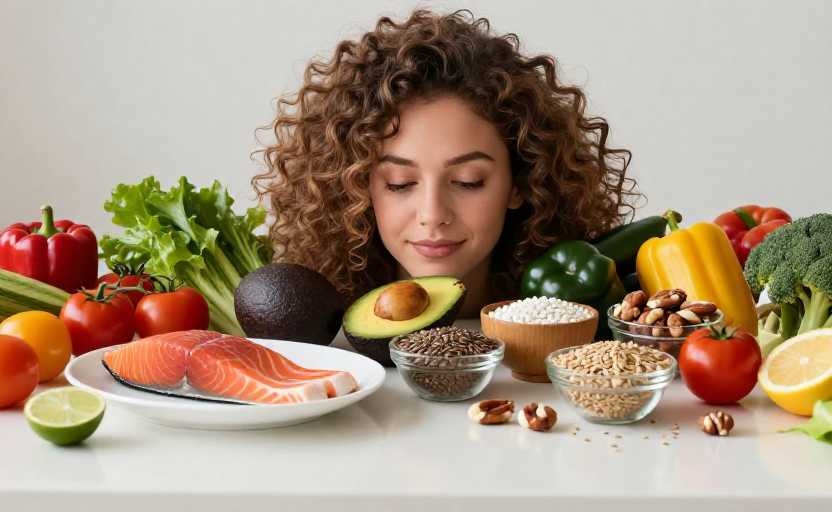
To be honest, I have met many friends who have just been diagnosed with depression, and their first reaction is "Can I not take medicine and just take something to get over it?" ” There used to be a 28-year-old Internet practitioner. When he was diagnosed with moderate depression, he had to save up half an hour to get out of bed to pour a glass of water. He relied on fried chicken and milk tea that was heavy in oil and salt every day to stay alive. He felt groggy. The side effects of taking medicine were severe, and he was always nauseous. Later, the psychiatrist and nutritionist adjusted his diet, and did not let him take any expensive supplements. He replaced his daily milk tea with sugar-free soy milk and a handful of nuts, ate steamed saury twice a week, and stir-fried more dark green vegetables. After a follow-up visit three months later, he said, "It was like the dark clouds that had been hanging over his head occasionally let in some sunshine." Of course, he never stopped taking medication and psychological consultation. The diet only helped him to stabilize his body's foundation, so that the effects of treatment could be better exerted.
Nowadays, there are actually two different opinions in the academic circles on the relationship between diet and depression. Those who support dietary intervention are mostly researchers in the field of nutritional psychiatry. The famous SMILES trial conducted in Australia showed that after 12 weeks of standardized dietary intervention, 32% of patients with moderate to severe depression were significantly relieved of their symptoms. The proportion was more than three times that of the control group. They believe that a long-term diet that is highly processed, high in sugar, and low in nutrients will affect the secretion of neurotransmitters in the brain, aggravate the inflammatory response, and is itself one of the precipitating factors of depression. However, many clinical psychiatrists believe that the role of diet has been exaggerated by some self-media. After all, the causes of depression are too complex, with genetic genes, traumatic experiences, and long-term stress accounting for much higher proportions. Diet is at most the "icing on the cake." If you expect to cure the disease by eating something, it will delay formal treatment. Both statements actually make sense. The essence is not to deify the role of food, nor to completely ignore its value.
When many people suffer from depression, their first reaction is to eat sweets, such as cakes, milk tea, and chocolate. They do feel better within a few minutes. This is because the rapidly rising blood sugar can promote the secretion of serotonin. However, this kind of happiness cannot last more than an hour. When the blood sugar drops, the fatigue and irritability will only be worse than before. Why not try switching to black chocolate with a cocoa content of more than 70%, and just eat 1-2 small cubes each time. Before my visit, I drank 3 cups of full-sugar milk tea every day, and then switched to a small piece of black chocolate every afternoon. I said that the situation of panicking and falling into a low mood half an hour after eating was much less. The flavonoids and phenylethylamine in black chocolate are supported by research to improve mood, and the sugar content is low, so there will be no subsequent emotional roller coaster.
If you usually like to eat fish, it will be easier. Eat deep-sea fish such as salmon, saury, and sardines twice a week to supplement the EPA in Omega-3 fatty acids. It has been proven that when combined with antidepressants, it can improve the therapeutic effect, especially for patients with symptoms of anxiety and fatigue. It doesn’t matter if you don’t eat seafood or are vegetarian. Grinding chia seeds and flax seeds and spreading them in yogurt or porridge can also supplement some Omega-3, but the absorption efficiency is a little lower than that of deep-sea fish. Oh, by the way, I met an aunt who has been a vegetarian all year round. She took medicine for depression for more than half a year but the effect was not good. Later, a blood test showed that her serum folic acid and B12 levels were extremely low. The nutritionist asked her to supplement B complex every day and eat more spinach, broccoli, and eggs. In less than two months, her previous condition of always feeling tired and not even wanting to go downstairs improved a lot. Many patients with depression have the problem of B vitamin deficiency, especially those who have been vegetarians for a long time and have irregular diets. There is no harm in supplementing appropriately.
Of course, I also want to remind everyone that the “probiotics that treat depression” that many businesses are promoting are not yet practical enough. Research on the brain-gut axis has indeed proven that intestinal flora can affect mood, but there is no unified clinical conclusion as to which strain and dosage can be effective. Don’t spend hundreds of dollars on IQ tax probiotics. Drink some sugar-free yogurt, eat fermented kimchi and natto. It is much more cost-effective and has no side effects. On the other hand, it should be noted that processed foods high in sugar and oil, alcohol, and functional drinks containing a large amount of caffeine can really aggravate the symptoms of depression. The more uncomfortable many people become, the more they eat junk food. The more they eat, the less energetic they are, and they fall into a vicious cycle. Try to eat as little as possible.
To put it bluntly, the role of food is more like a mobile phone fast charger - when your mobile phone is out of power, you must first plug in the charger. This charger is a formal drug treatment and psychological intervention. The fast charger can make you charge faster, but if you don't plug it in, just holding the fast charger is useless. On the contrary, I think that for many friends who are experiencing depression, what is more important than "what to eat" is the action itself of "being willing to get up and cook something for yourself." Even if you just boil a bowl of water, add a fried egg, and sprinkle some chopped green onion, when you are willing to spend 5 minutes to pay attention to your body, you are actually moving in a good direction.
Disclaimer:
1. This article is sourced from the Internet. All content represents the author's personal views only and does not reflect the stance of this website. The author shall be solely responsible for the content.
2. Part of the content on this website is compiled from the Internet. This website shall not be liable for any civil disputes, administrative penalties, or other losses arising from improper reprinting or citation.
3. If there is any infringing content or inappropriate material, please contact us to remove it immediately. Contact us at:
