
How to Relax After Flexibility Training
After completing a session of flexibility training, it's essential to prioritize recovery through proper relaxation techniques. This process not only helps reduce muscle tension but also enhances overall well-being and prepares the body for future workouts. Whether you're an athlete, a fitness enthusiast, or someone new to stretching, understanding how to effectively relax post-session can significantly impact your long-term progress and comfort.
The Importance of Post-Training Recovery
Flexibility training, whether through yoga, dynamic stretching, or static holds, places specific demands on the musculoskeletal system. As muscles lengthen and joints move through their full range of motion, they can become fatigued or overstretched. Without adequate recovery, this can lead to discomfort, reduced mobility, or even injury over time. Therefore, taking the time to relax after such sessions is not just beneficial—it’s necessary.
Consider the analogy of a rubber band: when stretched too far without rest, it loses its elasticity. Similarly, muscles need time to return to their natural state and rebuild strength. A well-structured cool-down routine can help facilitate this process, making it easier to maintain flexibility and avoid stiffness in the following days.
Effective Relaxation Techniques
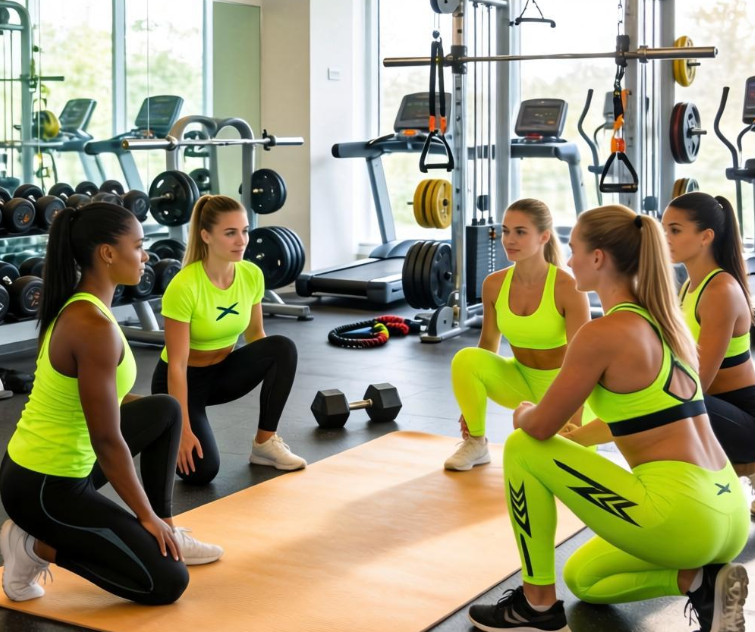
There are several methods to incorporate into your post-flexibility training routine, each offering unique benefits depending on your goals and preferences. One of the most common and effective approaches is deep breathing combined with gentle movement. Slow, controlled breaths activate the parasympathetic nervous system, promoting a state of calm and reducing stress levels. Pairing this with light movements like walking or rolling on a foam roller can further ease muscle tension and improve circulation.
Another valuable strategy is the use of self-myofascial release (SMR), often done with a foam roller or massage ball. This technique targets tight spots in the muscles and fascia, helping to release knots and restore normal function. It’s particularly useful for areas that were heavily engaged during your flexibility session, such as the hamstrings, hip flexors, or shoulders.
Integrating Mindfulness and Body Awareness
Incorporating mindfulness practices can enhance the effectiveness of your post-training relaxation. Simple acts like focusing on your breath, scanning your body for areas of tension, or visualizing a peaceful scene can help shift your mental state from one of exertion to one of restoration. These practices not only support physical recovery but also contribute to mental clarity and emotional balance.
For instance, if you've spent the session working on forward folds or deep lunges, take a moment to sit quietly and observe how your body feels. Are there any lingering aches? Do certain areas feel more relaxed than others? This kind of awareness can guide your next steps and inform future training sessions.
Practical Tips for Daily Implementation
To make relaxation a consistent part of your routine, consider setting aside 10–15 minutes after each flexibility session for recovery. This doesn’t have to be complicated—just a few minutes of slow breathing, some light stretching, and maybe a short walk can make a big difference. If possible, follow up with a warm shower or a brief period of rest to further support muscle recovery.
Additionally, hydration plays a crucial role in post-workout recovery. Drinking water or a sports drink can help flush out metabolic waste products and replenish fluids lost during exercise. Don’t underestimate the power of a good night’s sleep either; rest is one of the most effective ways your body can repair itself.
Conclusion
Relaxing after flexibility training is more than just a formality—it's a vital component of a well-rounded fitness regimen. By incorporating mindful breathing, gentle movement, and targeted recovery techniques, you can ensure your body has the tools it needs to recover efficiently. Whether you're aiming for greater flexibility, improved performance, or simply better daily comfort, taking the time to relax is an investment in your long-term health and well-being.
Disclaimer:
1. This article is sourced from the Internet. All content represents the author's personal views only and does not reflect the stance of this website. The author shall be solely responsible for the content.
2. Part of the content on this website is compiled from the Internet. This website shall not be liable for any civil disputes, administrative penalties, or other losses arising from improper reprinting or citation.
3. If there is any infringing content or inappropriate material, please contact us to remove it immediately. Contact us at:
