
Current status of nutrition development for the elderly
The demand side is experiencing an explosion of rigidity and is becoming increasingly differentiated. The supply-side products and services are severely inadequate in matching. There is still a window of at least 3-5 years for industry standards and awareness to be popularized.
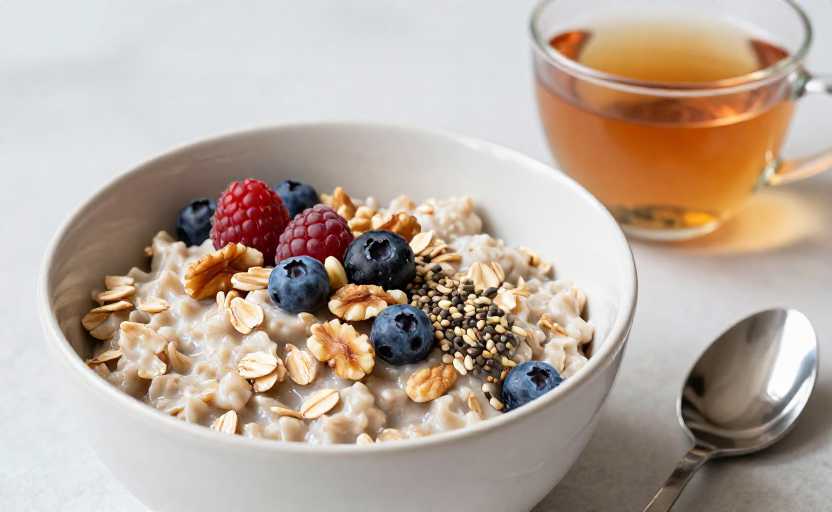
Last week, I went to a street nursing home near my home to do nutrition research. I met 72-year-old Aunt Zhang. She has both diabetes and mild sarcopenia. Her children bought her more than 3,000 yuan of protein powder and calcium supplement oral liquid. Either they added sucrose and they were afraid to touch it, or they would cause bloating and acid reflux after drinking it. In the end, they were piled in dust in the corner of the wall. Her daily diet consists of porridge with pickles in the morning and evening, and a plate of vegetarian vegetables stir-fried with a little oil at noon. She said, "Old people live longer only if they eat light meals. It's useless to make up for the mess."
This misalignment of knowledge and needs is almost the most common pain point in the current field of geriatric nutrition. Nowadays, the academic circles are actually divided into two groups regarding the direction of intervention in elderly nutrition, and they have been arguing for a long time: one group advocates "standardization first" and strictly follows the proportions of the "Chinese Dietary Guidelines for the Elderly" to prepare uniform meals. For example, many public elderly care institutions in Shanghai now provide homogenized meals to disabled elderly people, with the ratio of carbohydrates, proteins, and fats. There are clear red lines for the sodium content and sugar content in grams. According to the data, it can indeed significantly improve the nutritional indicators of the elderly. However, it often encounters obstacles when it comes to implementation - the elderly in Hunan find it unspicy and cannot eat it, and the elderly in Guangdong feel that it is too thick and inconsistent with the habit of drinking soup. Many elderly people secretly throw away the meal and would rather eat the pickled radish they brought. The other group insists that "personalized adaptation is the core", giving priority to respecting the lifelong eating habits of the elderly, and then slowly adjusting the nutritional structure. For example, some private elderly care centers in Guangzhou make low-sugar double-skinned milk for diabetic elderly people, replace sucrose with erythritol, and stew braised pork for elderly people with bad teeth until it melts in one sip. The acceptance is particularly high among the elderly, but the problem is also very real: the cost of customization is more than 30% higher than standardized meals. Ordinary public institutions and low-income elderly people cannot afford it, and cannot be promoted on a large scale.
The disconnect on the supply side is actually more serious than we thought. If you just go to the senior food section of a supermarket, you will see labels like "high calcium" and "sugar-free" over and over. The rest are all health products that claim to "replenish the brain" and "prevent osteoporosis". The price has increased several times, but the actual active ingredients are very few. I met a friend who does food testing for the elderly. He said that among the 120 products called "nutrition powder for the elderly" that were sampled last year, nearly 60% had less protein than ordinary soy milk powder. The rest basically relied on adding flavors and sweeteners to adjust the taste, and had no nutritional supplement effect at all. There are also those who are serious about making products. I know an entrepreneurial team who spent half a year developing low-sodium, soft and tender pre-made dishes for the elderly. The sodium content of the pickled pork with pickled vegetables is 40% lower than the ordinary version. The meat is stewed to the point that you can swallow it without chewing. However, when it was launched on the market, it was met with failure: young people felt that it was "labeled as a senior food, and it felt like it was for sick people", and they were unwilling to buy it for the elderly at home. ; The old man went to the supermarket and saw that it was 3 yuan more expensive than the ordinary pickled pork with pickles, so he turned around and bought the cheaper ordinary version, but sales have not increased yet.
Not only the elderly have cognitive misunderstandings, but many children also have misguided ideas. When many people think of nutritional supplements for the elderly, their first reaction is to buy expensive supplements such as bird's nest, cordyceps, and yak meal. They think the more expensive, the better. In fact, the digestive function of the elderly over 80 years old has severely degraded and cannot absorb these large molecules of animal protein. On the contrary, it is easy to increase the burden on the gastrointestinal tract. It is not as practical as a steamed egg, a small cup of sugar-free yogurt, and a small handful of boiled nuts every day. There is also a widely circulated misunderstanding: the thinner the elderly, the healthier they will be. In fact, according to domestic nutrition research, the optimal range is for people over 70 to maintain their BMI (body mass index) between 22 and 26. Old people who are a little fat are more than 30% better at fighting influenza and recovering from surgery than thin people. Excessive dieting in pursuit of "money can't buy you old age" can easily induce sarcopenia, decreased immunity and other problems.
Many places are now piloting the inclusion of nutritional intervention for the elderly in the reimbursement scope of long-term care insurance. For example, Qingdao has long included the cost of nutritional assessment and customized nutritional supplements for the disabled elderly in the reimbursement of long-term care insurance. The reimbursement is about 80%, which has indeed helped many low-income families with disabled elderly people. However, there have always been voices of opposition: the evaluation standards for elderly nutrition are not yet fully unified, and it is easy for loopholes to defraud insurance. For example, elderly people who clearly do not need additional nutritional supplements are prescribed high-priced nutritional supplements, which is a waste of social security funds. The industry has not yet reached a conclusion on whether to liberalize coverage first and then supplement standards, or to solidify standards first and then promote them.
In fact, after all is said and done, the issue of nutrition for the elderly can never be solved simply by relying on academic circles to set standards and companies to make products. It must fall into the specific lives of each community and each family. The last time I gave a nutrition class to the elderly at the inn, I didn’t read the PPT on the Diet Pagoda. I used ordinary porcelain spoons and rice bowls at home as examples: a spoonful of oil is about 10 grams, and the elderly can eat up to two spoons a day. ; A flat bowl of rice costs about 2 taels, so one bowl is just right for one meal. ; A handful of greens is almost the amount of vegetables you need for a day. The next day, I saw Aunt Zhang replacing the morning pickles with cucumbers and holding a boiled egg in her hand. When she saw me, she smiled and said, "It turns out that being light is not just plain porridge. I ate as you said today, and I really don't get hungry that easily." ”
You see, no matter how grand the current status of the industry is, when put into practice, it is actually just a mouthful of rice in an old man's bowl.
Disclaimer:
1. This article is sourced from the Internet. All content represents the author's personal views only and does not reflect the stance of this website. The author shall be solely responsible for the content.
2. Part of the content on this website is compiled from the Internet. This website shall not be liable for any civil disputes, administrative penalties, or other losses arising from improper reprinting or citation.
3. If there is any infringing content or inappropriate material, please contact us to remove it immediately. Contact us at:
