
High blood pressure prevention and conditioning recipes
Let me give you the simplest conclusion first - if your blood pressure is currently in the critical range of 130-139/85-89mmHg, or you have a family history of high blood pressure and want to prevent and control it in advance, there is no need to rush to stock up on various health products claiming to "lower blood pressure". As long as your daily sodium intake does not exceed 2300mg (approximately 5g of table salt), potassium intake of 3500mg, cooking oil no more than 25g, and added sugar no more than 25g". Among the more than 200 borderline hypertensive patients I followed up in the nutrition department for 6 years, 80% of them were able to stabilize their blood pressure within the normal range and do not need to take antihypertensive drugs for the time being.
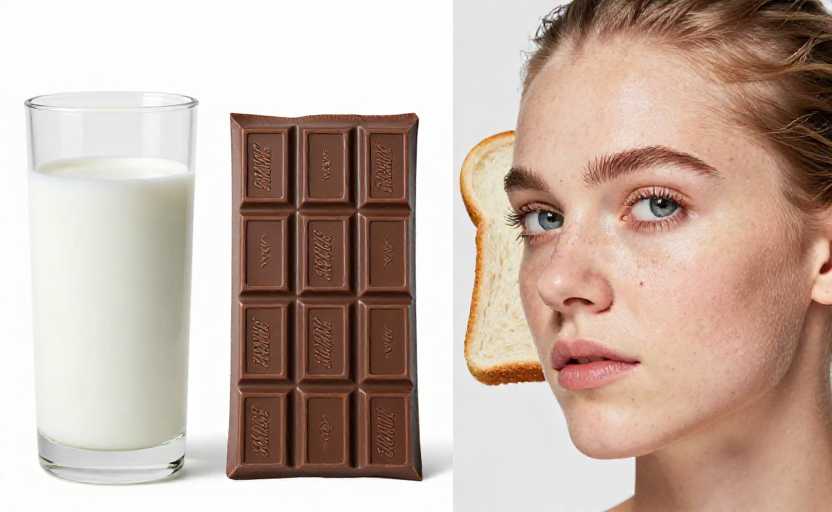
Many people’s first reaction is, “Wouldn’t it be enough if I put less salt in my cooking?” Not really. Last month, a 62-year-old aunt came for a follow-up consultation. She said that she only dared to put half a spoonful of salt in each dish, and her blood pressure was still high. After careful questioning, she found out that her porridge was served with fermented bean curd and pickled cucumbers in the morning and evening. In her spare time, she also likes to eat fried melon seeds with salt. The total of these hidden salts has already exceeded 10g, which is equivalent to twice the amount. If you really want to control sodium, in addition to using less salt in cooking, you have to take into account the invisible salt in pickles, bacon, prepared dishes, plum preserves, and even many breads and biscuits. When buying packaged foods, look at the nutritional label and try to use as little as possible if the sodium content exceeds 30% NRV.
The now internationally recognized DASH diet (antihypertensive dietary pattern) has indeed been clinically verified on a large sample. The core is to eat more whole grains, fresh fruits and vegetables, low-fat dairy products, and eat less red meat, refined sugar, and saturated fat. Adhering to it for 8 weeks can lower systolic blood pressure by an average of 5-8mmHg, which is almost equivalent to the effect of half a tablet of commonly used antihypertensive drugs. However, many colleagues around me who practice traditional Chinese medicine and dietotherapy feel that completely copying the Western dietary pattern is not suitable for the Chinese gastrointestinal tract. For example, many elderly people are prone to diarrhea when drinking ice milk. Instead, they can replace it with unsweetened freshly ground soy milk, room temperature low-fat yogurt, and usually mix it with some chrysanthemums, Soak cassia seeds and hawthorn in water, or boil winter melon and corn silk in water to drink. Our department has done a small-scale follow-up and found that for salt-sensitive hypertensive patients, the effect of assisting in lowering blood pressure is no worse than following the DASH diet.
I usually cook for the elderly at home, and I don't make any "special meals". I just use a few tricks. For example, if you wait to add salt until it is almost out of the pot, the salty taste will float on the surface of the ingredients, and you don’t need to add a lot to get enough flavor. You can add one-third less salt than adding salt at the beginning. When making porridge in the morning, you don’t have to just drink white rice porridge. Throw in a handful of oats and quinoa, then boil a whole egg, and serve with a small dish of cold spinach. You will consume 2g less salt and gain 300mg more potassium than eating pickles and fried dough sticks. If you are bringing rice for lunch, try not to buy ready-made dishes. Those dishes are generally high in sodium to keep them fresh. Make your own brown rice with steamed sea bass and stir-fried shrimps with broccoli. Just use some light soy sauce, white pepper and a small amount of salt for seasoning. It is delicious and not too bland.
By the way, the two questions that everyone asks the most happen to be controversial in the industry for a long time. Let me put them objectively. One is, can people with high blood pressure eat egg yolks? In the past, the older generation always said that egg yolks had high cholesterol and should not be eaten. Now the 2023 version of "China's Guidelines for the Prevention and Treatment of Hypertension" has clearly stated that as long as the blood lipids are within the normal range, it is absolutely fine to eat one whole egg a day. On the contrary, the lecithin and potassium in the egg yolk can also help maintain blood vessel health. I once had a patient who only ate protein for 3 months in order to control his blood pressure. In the end, he was found to be deficient in vitamin B12, which affected homocysteine metabolism and made his blood pressure higher. There is really no need to stop eating because of choking. Another question is, can drinking red wine lower blood pressure? There are indeed studies saying that the resveratrol in red wine can soften blood vessels, but you need to drink several bottles a day to achieve an effective dose. On the contrary, alcohol itself is a clear factor in raising blood pressure. Now domestic and foreign guidelines clearly recommend that patients with high blood pressure should not drink alcohol at all. Don’t sacrifice your blood vessel health for that useless resveratrol.
Some people also say that they are usually busy at work and have dinner parties during holidays, so how can they eat appropriately? There are also ways to be lazy. For example, when going out for a dinner, first use two chopsticks to stir-fry green leafy vegetables to pad your stomach, and then eat some white meat such as steamed fish and shrimp. If you really want to eat strong braised vegetables or braised vegetables, just fill a bowl of warm water in advance and rinse the vegetables before eating. This can remove 80% of the salt and oil on the surface. During the Chinese New Year last year, I accompanied my dad to his class reunion. He also had borderline high blood pressure. Using this method, his blood pressure was only 132/84mmHg when he went home that night, which was much better than when he used to have high blood pressure of 145+ during the Chinese New Year.
In fact, after all, the dietary management of high blood pressure is really not as complicated as everyone thinks. You don’t need to eat boiled vegetables every day, and you don’t need to buy those ridiculously expensive “anti-hypertensive foods” and “anti-hypertensive teas”. Just eat more snacks, less heavily processed foods, and eat more fresh and natural foods, which is better than anything else. Oh, by the way, one last thing to mention, dietary conditioning is only an auxiliary means. If your blood pressure has exceeded 140/90mmHg for a week in a row, don’t rely on dietary therapy. Go to the hospital when you need to see a doctor to prescribe medicine. Don’t delay things.
Disclaimer:
1. This article is sourced from the Internet. All content represents the author's personal views only and does not reflect the stance of this website. The author shall be solely responsible for the content.
2. Part of the content on this website is compiled from the Internet. This website shall not be liable for any civil disputes, administrative penalties, or other losses arising from improper reprinting or citation.
3. If there is any infringing content or inappropriate material, please contact us to remove it immediately. Contact us at:
