
What Are the Different Types of Specialized Fitness Programs?
In today’s fast-paced world, fitness has evolved beyond generic gym routines. Specialized fitness programs are designed to target specific goals, whether it's building muscle, improving endurance, enhancing flexibility, or achieving weight loss. These programs are not one-size-fits-all; they are tailored to individual needs, preferences, and physical conditions, offering a more effective and engaging approach to health and wellness.
Understanding the Purpose of Specialized Fitness Programs
Specialized fitness programs are built on the principle that different goals require different strategies. For instance, someone aiming to increase strength will benefit from resistance training with progressive overload, while another person seeking better cardiovascular health might focus on interval training or endurance sports. The key is to align the program with the individual’s objectives, ensuring that each session contributes meaningfully to their overall progress.

Common Categories of Specialized Fitness Programs
One of the most popular types is strength training, which involves using weights, resistance bands, or bodyweight exercises to build muscle mass and improve physical performance. This type of program is often structured around compound movements like squats, deadlifts, and bench presses, which engage multiple muscle groups at once.
Another widely practiced category is cardiovascular training, which includes activities such as running, cycling, swimming, or high-intensity interval training (HIIT). These workouts are ideal for those looking to boost heart health, burn calories, and enhance stamina. Unlike traditional cardio, HIIT offers a time-efficient alternative that can deliver significant results in a shorter period.
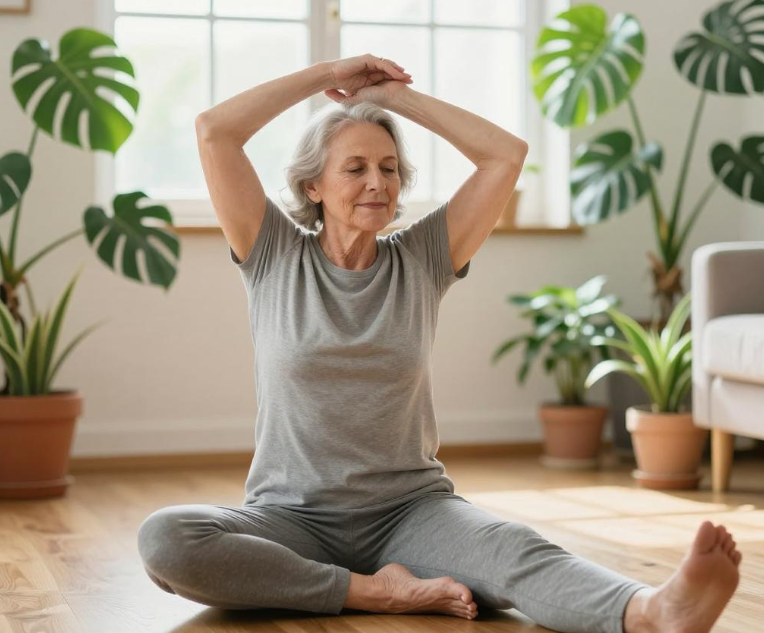
For individuals focused on flexibility and mobility, yoga and Pilates are excellent choices. These programs emphasize controlled movements, deep breathing, and body awareness, making them suitable for people of all ages and fitness levels. They also help reduce the risk of injury by improving joint range of motion and posture.
Tailoring Programs to Individual Needs
No two people are the same, and this is especially true when it comes to fitness. A specialized program should account for factors such as age, fitness level, medical history, and personal preferences. For example, an older adult may benefit from low-impact exercises like tai chi or water aerobics, while a young athlete might thrive on sport-specific training that mimics the demands of their chosen activity.
Moreover, mental well-being plays a crucial role in fitness success. Programs that incorporate mindfulness, such as mindful movement practices or stress-reduction techniques, can significantly enhance motivation and long-term adherence.
The Role of Technology and Expert Guidance
Advancements in technology have made it easier than ever to access and customize fitness programs. Wearable devices, mobile apps, and online platforms now offer personalized workout plans based on user data and goals. However, even with these tools, the guidance of a qualified trainer or coach remains invaluable. Professionals can provide real-time feedback, adjust routines as needed, and ensure that the program remains both safe and effective.
Conclusion
Specialized fitness programs are more than just a trend—they represent a shift toward personalized, goal-oriented health solutions. Whether you're looking to gain strength, improve endurance, or simply feel better in your daily life, there's likely a program that fits your unique needs. By understanding the different types available and how they can be adapted, individuals can take a more informed and intentional approach to their fitness journey. Ultimately, the best program is one that aligns with your goals, supports your lifestyle, and keeps you motivated over time.
Disclaimer:
1. This article is sourced from the Internet. All content represents the author's personal views only and does not reflect the stance of this website. The author shall be solely responsible for the content.
2. Part of the content on this website is compiled from the Internet. This website shall not be liable for any civil disputes, administrative penalties, or other losses arising from improper reprinting or citation.
3. If there is any infringing content or inappropriate material, please contact us to remove it immediately. Contact us at:

