
Healthy Eating Guidelines for Menopause
The core is to adjust around the three directions of "reducing chronic inflammation, stabilizing hormone fluctuations, replenishing bone mass and neuronutrient loss". There is no need to completely quit your favorite foods, and there is no standard answer that applies to everyone. What suits you and can be adhered to for a long time is the best.
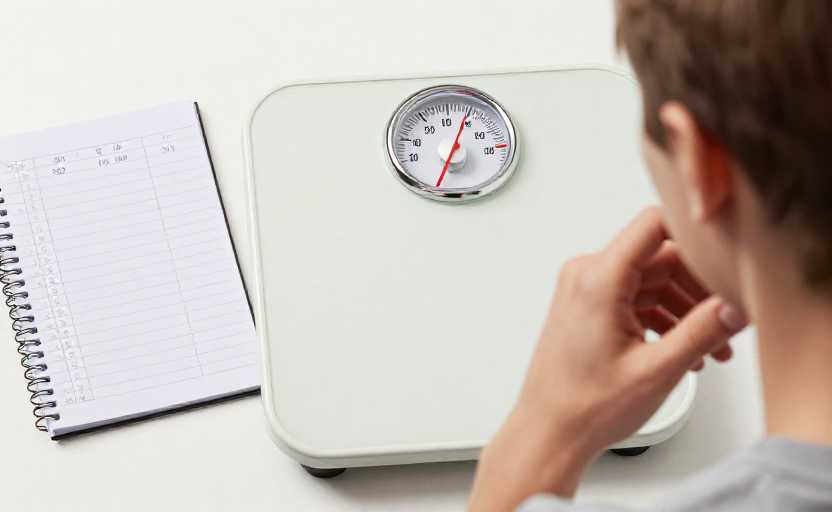
I was particularly impressed by Aunt Zhang who came to my clinic for nutritional consultation last week. She is 52 years old and has just been through menopause for a year. She has seven or eight hot flashes a day and wakes up three or four times at night. She ate the "vegan diet for menopause" mentioned on the Internet for three months. The hot flashes did not get better. Instead, she felt weak every day, her hair fell out in handfuls, and she had to take a break twice to go up to the third floor. When I adjusted her, I first removed the vegetarian restriction and added one egg, 2 taels of lean pork or steamed fish every day, a cup of freshly ground light soy milk in the morning, and allowed her to grab a handful of her favorite original melon seeds as a snack in the afternoon. Within three weeks, she came for a follow-up visit and said that the number of hot flashes had dropped to twice a day, and she could basically sleep through the rest of the night.
When it comes to soy products, there are currently two different schools of advice, and there is no absolute right or wrong: The general consensus in the nutritional community is that daily intake of 30-50 mg of soy isoflavones, which is roughly the amount of 200 ml of freshly ground soy milk and 100 g of northern tofu, can gently compensate for the fluctuations caused by the decline in estrogen. The effective rate of relieving hot flashes and night sweats is 30%-40%, which is much better than a placebo.; However, some gynecological clinicians will also remind you that if you have grade three or higher breast nodules, endometrial hyperplasia, or a history of estrogen-dependent tumors, it is best to check your serum hormone levels first, and then decide whether to eat more soy products to avoid potential risks. You can choose according to your own physical condition.
Oh, by the way, many people are still asking if royal jelly and snow clams can be eaten. There is really no need to talk about "hormone" discoloration. If you don’t have the relevant medical history mentioned above, it’s perfectly fine for you to take a bite or two occasionally to satisfy your cravings. The content of exogenous estrogen in royal jelly is hundreds of times less than what you secrete on a daily basis, and normal consumption will not reach the disease-causing dose. ; But if you have a pre-existing medical condition, then just don’t touch it. There is no need to take unnecessary risks.
I have seen too many aunts stocking up on calcium tablets as soon as they reach menopause, only to end up with fractures after a fall. Last time, there was a 60-year-old aunt who took 2000mg calcium tablets every day according to the instructions. The physical examination still showed low bone density. When I asked her, I found out that she neither drinks milk nor eats green leafy vegetables. She avoids the sun at home every day. She does not absorb the calcium tablets at all and is excreted through metabolism. In fact, the most cost-effective source of calcium supplementation during menopause is food. 300ml of pure milk per day, plus half a pound of blanched dark green vegetables, such as rapeseed and broccoli. The calcium absorption rate is higher than many supplements. If you are intolerant of lactose, you can switch to sugar-free yogurt. The effect is not bad. Spend 10 minutes more in the sun or take 400IU vitamin D every day. It is enough. You really don’t need to take large doses of supplements to torment your stomach.
Many people are easily irritable during menopause, lying in bed for two or three hours and unable to fall asleep. Even if they are hungry at night, they dare not eat for fear of gaining weight. In fact, it is completely unnecessary. If you are hungry before going to bed, you can drink half a cup of warm sugar-free yogurt with two red dates, or grab about 10 original pumpkin seeds. The gamma-aminobutyric acid and magnesium in it can help soothe the nerves. The calories are less than half an apple, and you will not gain weight at all. On the contrary, it can reduce the number of tossing and turning due to hunger. The same goes for coffee. I once had an aunt who had been drinking Morning American for 30 years. She heard on the Internet that drinking coffee during menopause would aggravate hot flashes. She quit it for half a month. She was so irritable every day that she would argue with her husband about trivial matters. Later, I asked her to drink a cup of decaffeinated coffee every day. Within a week, her mood stabilized and her hot flashes did not get worse. There is really no need to give up what you have been eating for decades. As long as you don’t feel uncomfortable after eating it, there is no need to compromise yourself for the so-called "standard."
As for the inflammation problem that everyone is afraid of, it does not require you to completely quit sugar and oil and live as an ascetic. When you usually steam rice, add one-third of the grains, such as oats, brown rice, and corn kernels. Eat deep-sea fish twice a week, such as salmon and mackerel. If you don’t like fish, eat a handful of plain nuts every day. If you supplement enough Omega3, chronic inflammation will be reduced, and hot flashes and joint pain will be relieved a lot. If you really like to eat hot pot milk tea, it’s okay. Just replace the spicy hot pot three times a week with tomato or mushroom soup pot base, replace the milk tea with 30% sugar, replace the milk cap with fresh milk, and reduce the intake of refined sugar and trans fat. If you really want to completely quit it, it will make you greedy every day and make you feel bad, but it will have a greater impact than eating some sugar.
I have been providing nutrition guidance for menopause for so long, and I have seen too many women trapped by various strict dietary standards on the Internet. They dare not eat this or touch that. Originally, menopausal hormone fluctuations make people prone to sensitivity and anxiety, but doing so only makes life more tiring. In fact, diet is only a part of menopausal health management. If you eat happily first, and then slowly adjust to a rhythm that suits you, it is better than anything else.
Disclaimer:
1. This article is sourced from the Internet. All content represents the author's personal views only and does not reflect the stance of this website. The author shall be solely responsible for the content.
2. Part of the content on this website is compiled from the Internet. This website shall not be liable for any civil disputes, administrative penalties, or other losses arising from improper reprinting or citation.
3. If there is any infringing content or inappropriate material, please contact us to remove it immediately. Contact us at:
